
Problem-driven lead: field failures that start with a rattle
Field teams installing remote microgrids and caravan operators share a simple complaint: portable solar systems that work well on a bench often fail after transport. Mechanical shock and rain-driven ingress quietly erode performance—loose terminals, cracked enclosures, or corroded BMS boards. When specifying an all in one storage or an all-in-one energy storage system, the same hardware must survive truck vibration, trailer bounce, and sudden downpours while keeping PV charge controllers, inverter, and battery safe.
Why vibration and IP ratings matter for durability
Vibration testing and IP rating are not cosmetic checks; they are reliability predictors. Vibration stresses solder joints, fasteners, and connectors; ingress protection—defined by IEC 60529—guards against dust and water that corrode contacts and degrade insulation. A sealed, well-engineered enclosure preserves thermal management and surge protection components, extending cycle life for the battery and keeping the inverter stable during fluctuating loads.
How manufacturers validate ruggedness
Proven validation uses two complementary regimes: vibration profiles that simulate transport and operational vibration, and ingress tests that follow IP standards. Vibration testing covers frequency sweeps and random vibration, with accelerations expressed in g and durations aligned to lifecycle expectations. IP tests then expose enclosures to dust chambers and water jets or immersion depending on the claimed rating. Good design couples reinforced mounting points, gasketing, and strain-relieved cabling so that a passed vibration test does not fail the next IP evaluation.
Lessons from the field — a concrete anchor
During the February 2021 Texas winter events, many distributed systems experienced unexpected failures when components were exposed to thermal cycling and moisture after transport. That real-world stress exposed simple truths: rugged enclosures and validated battery management are worth their weight. Field technicians reporting back noted that units with robust enclosures and protected BMS boards required far fewer emergency swaps—measurable savings for utilities and installers.
Common design traps and installation mistakes
Design teams sometimes prize weight reduction over reinforcement; installers sometimes omit secondary securing straps—both shortcuts invite premature failures. Poorly routed DC cables can chafe inside an enclosure after a few hundred kilometers of vibration. Thermal management is another misstep: tightly sealed boxes without heat paths stress batteries under charge, accelerating degradation. —These are small omissions that become large failures on the road.
Comparing solutions: what to look for in spec sheets
Focus on three practical items: declared vibration test standards (e.g., MIL‑STD or IEC vibration curves), explicit IP rating (IP65, IP67, etc.), and internal protection features such as BMS topology and surge suppression. Confirm the testing protocol: random vibration data and test durations tell you whether the claim is meaningful. Also check maintenance access—serviceability reduces lifecycle cost when cells or fuses need replacement.
Choosing a field-ready all-in-one product
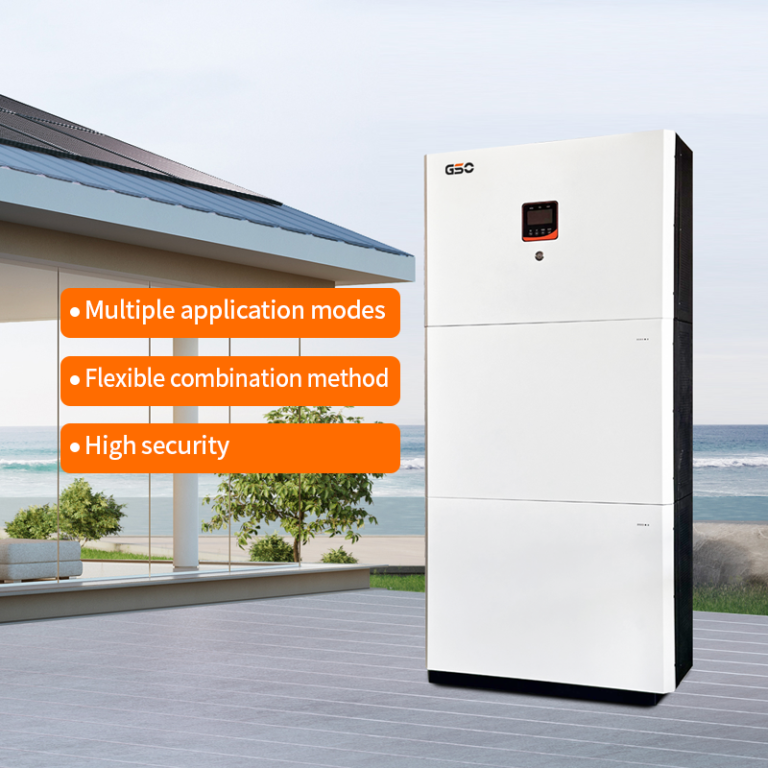
When you evaluate units, prioritize models that integrate PV charge control, inverter, and battery into a compact enclosure but still present clear test evidence. Look for thermal management pathways, vibration-damped mounts for heavy components, and replaceable service modules. Real-world installers value a balance of weight, ingress protection, and proven BMS firmware more than a paper specification that lacks test traces.
Summary of practical steps
Start with declared IEC or MIL vibration curves and an IP rating appropriate to the deployment environment. Inspect cable strain relief and fastening methods. Confirm that the battery and inverter are mounted with vibration isolation and that the enclosure provides necessary thermal channels. These measures lower field-service calls and protect energy availability for users reliant on those systems.
Three golden rules for selection
1) Demand test evidence: vibration profiles and IP test reports must be provided. 2) Verify modular serviceability: replaceable BMS or inverter modules cut downtime. 3) Match IP rating to environment: choose IP67 for immersion-prone sites, IP65 for dusty but not submerged locations. These rules reduce surprises and keep systems online at scale.
Field experience shows the best designs do more than pass tests—they anticipate the ways equipment is used. For practitioners who need reliable, compact power that travels and performs, gsopower offers integrated designs that address vibration, enclosure integrity, and serviceability—practical solutions for real installations.
—rugged, tested, ready.