
Introduction — a shop floor scene, some hard numbers, and a question
I was in a small print shop last week — the owner, a scrappy sort, waved me over to the UV press because the operator kept coughing. The air smelled metallic; it was a simple scene but it tells a bigger story: many shops underestimate airborne waste. In fact, surveys suggest up to 60% of small-format print shops report noticeable odors or worker discomfort without proper controls. That’s why I look closely at fume extraction products when I advise teams (yes, even the ones that say “we’ll open a window”).
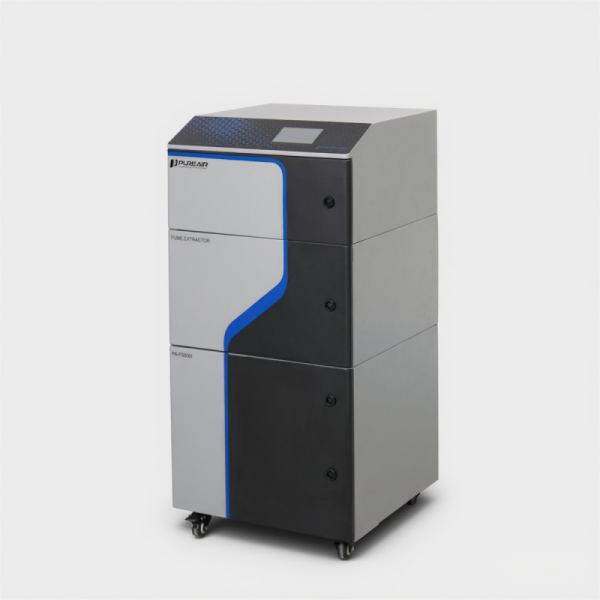
So what actually works for a busy print line? How do you balance capture efficiency, maintenance, and budget without turning the plant into a science lab? I want to walk you through what I’ve learned — practical, no-nonsense observations that cut through the marketing fluff — and then compare real options so you can make a solid call.
Digging deeper: where traditional approaches fall short (technical view)
Let’s talk specifics. When a shop installs a UV printer machine, the expectation is simple: trap fumes, protect people, stay out of the way. But old-school setups often rely on undersized capture hoods, basic filters, and poor airflow design. The result? Short-term odor control, long-term filter overload, and uneven suction across the platen. I see problems with HEPA pre-filters getting clogged, activated carbon beds saturating too quickly, and fans — yes, those power converters — running flat-out without delivering uniform airflow dynamics. Look, it’s simpler than you think: if the hood placement is wrong, the rest is plumbing the same hole in different colors.
Technically, many systems neglect particle loading curves and ignore real operating cycles. Filters are rated at initial efficiency, not at efficiency after a week of heavy printing. Capture efficiency drops, VOC breakthrough happens, and maintenance schedules become wishful thinking. I’ve measured pressure drops that doubled in days, not months — funny how that works, right? If you want stable performance, you need to plan for dynamic loads, not a one-time spec sheet.
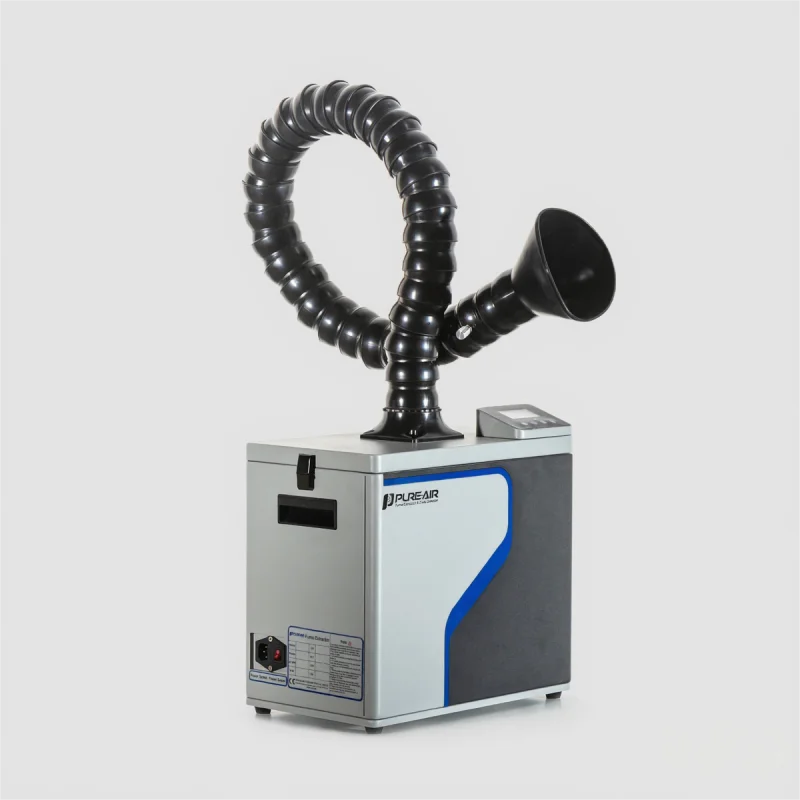
So what’s the pain, really?
Are you paying for a “high-capacity” system that only looks that way on paper? The hidden pain is almost always maintenance time, unexpected consumable cost, and intermittent worker exposure. Those are the things vendors gloss over but I keep asking about.
Looking forward: future outlook and practical comparisons
Here’s where I shift from critique to constructive comparison. In shops I advise, upgrades that pair a well-located capture hood with staged filtration make the biggest difference. A modern UV printer machine paired with modular filter stages (roughing filter, activated carbon, final HEPA) lets you target particulates and VOCs separately. Case in point: a mid-size shop I worked with cut visible odors by over 80% and decreased filter spend by 30% in six months after rebalancing airflow and adding pre-filtration. That wasn’t magic — it was system thinking: correct duct sizing, realistic fan curves, and scheduled maintenance.
I also like to compare integrated systems versus add-on extractors. Integrated units often win on ergonomics and simpler commissioning. Add-ons can be cheaper upfront but they demand more tuning. Both approaches deserve attention to sensor placement (for VOC detection) and service access. We should be honest — the smart shops plan for consumables. They budget for replacement activated carbon and HEPA elements as routine line-items, not surprises. — and they track performance, weekly. Simple metrics tell the real story.
What’s next — how to choose
Before you sign anything, weigh three core metrics I use: capture efficiency at the source (how much is pulled at the nozzle), total cost of ownership over two years (filters, labor, downtime), and maintainability (ease of filter change and access). If a vendor won’t give you realistic test curves or a service plan, take that as a red flag. I recommend field tests under real production loads; lab numbers are nice, but they don’t sweat like your shift crew.
To wrap up: I’ve seen how small design choices add up — or blow up — in a print shop. We can quibble about specs, but measurable outcomes matter: air quality, sick days, and steady throughput. If you want practical help sorting options, I’ve guided shops through those trade-offs and I’ll tell it straight. For real-world hardware and systems I trust, check out PURE-AIR — they build sensible, serviceable solutions and stand behind them.