
When the finish peels: the problem laid bare
Paint that flakes, wrinkles, or beads up on plastic turns a simple refinish into wasted time and parts; many buyers face this exact snag when inspecting aerosol-coated components, so the first question is practical: does spray paint stick to plastic for this part and process? This guide treats that question as a series of solvable failures — wrong chemistry, inadequate surface prep, or incorrect application — and follows each failure to a clear fix you can order or require from suppliers.
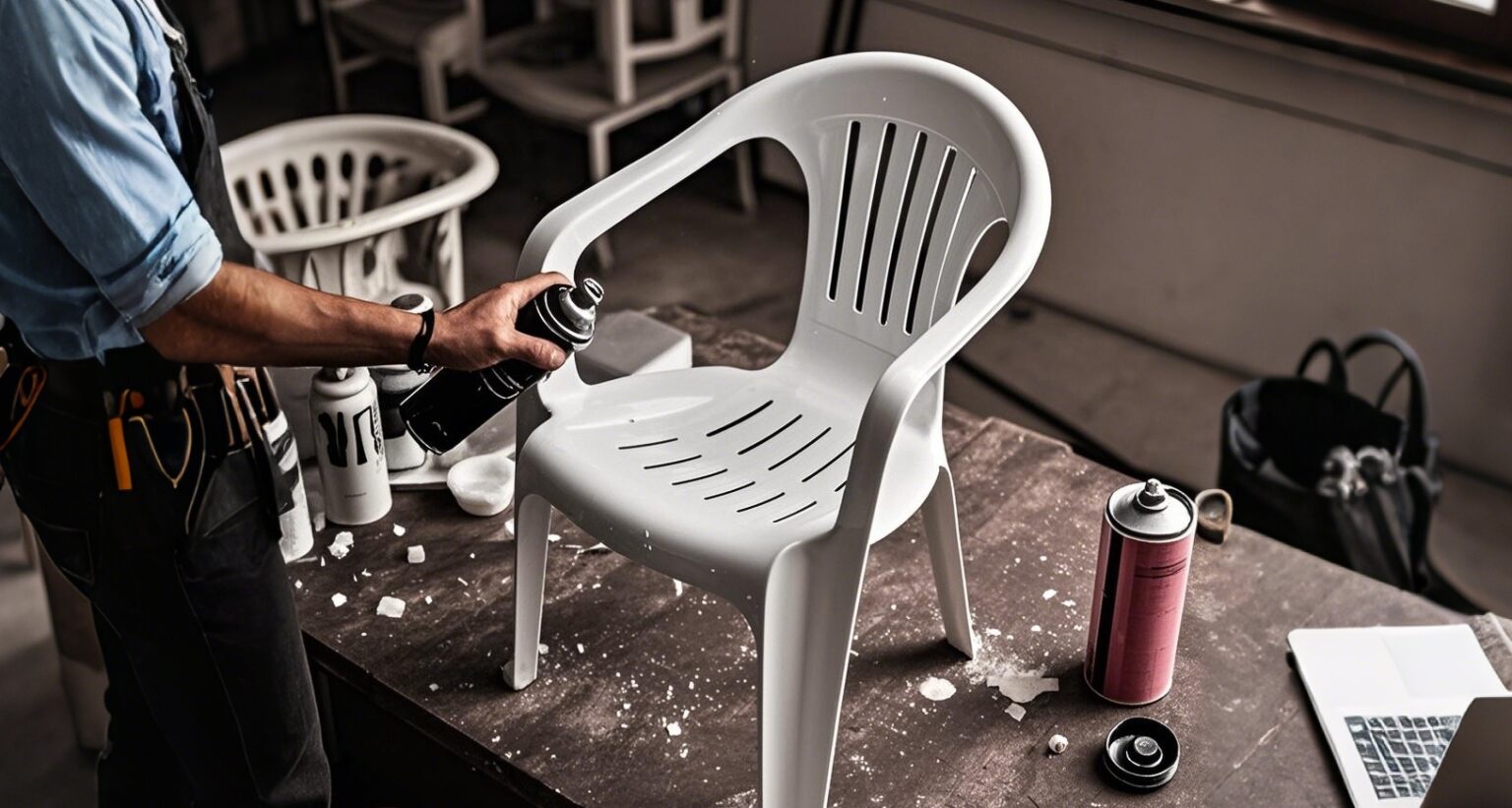
Why plastics often reject coatings
Low surface energy plastics like polyethylene and polypropylene repel coatings; paint beads rather than wets. Additives, contaminants, and mold-release agents make adhesion worse. The solution rests on three levers: raise surface energy, remove contaminants, and match the coating chemistry. That means cleaning with a high-evaporation solvent, light abrasion to create mechanical grip, and using primers or adhesion promoters formulated for plastics.
Step-by-step corrective workflow
Start clean: wipe with isopropyl alcohol, then dry. Scuff the surface with 400–600 grit sandpaper or a scuff pad to create micro-tooth. Apply a plastic-specific adhesion promoter in thin, even passes; allow tack-free dwell per the product label. Use a compatible primer—etching primers for hard-to-bond polymers or flexible plastic primers for elastomers. Spray topcoat in controlled passes: 15–25 cm distance, overlapping strokes, thin layers to avoid runs. Cure fully before handling; temperature and humidity affect film formation, so follow recommended conditions.
Common mistakes that cause failures
Skipping adhesion promoters, applying heavy wet coats, or painting over oils and release agents are the top culprits. Using automotive primers on flexible plastics causes cracking. Relying solely on visual tack tests misses weak adhesion beneath the surface. Ignoring cure times invites fingerprinting and solvent blush. Each mistake has a predictable symptom; match the symptom to the corrective action rather than replacing parts prematurely.
Real-world expertise and evidence
Technical teams at major aftermarket shows such as the SEMA Show have long demonstrated prep-and-prime workflows used by refinishers; field demonstrations there consistently show adhesion improvement when promoters and plastic-aware primers are used. For practical reference and product-level guidance on these methods consult the plastic spray paint resources that compare adhesion promoters, primers, and aerosols under controlled conditions — those test protocols mirror what professional refinishers use on bumpers and trim.
Materials and alternatives you can specify
For stubborn substrates choose a two-part epoxy primer or a plastic-specific adhesion promoter followed by a high-solids acrylic enamel. For flexible items use flexible polyurethane or acrylic topcoats. Aerosols formulated specifically for plastics offer convenience but watch for solvent strength: aggressive solvents that soften plastic can cause distortion. If longevity is critical, specify a system (promoter → primer → topcoat) rather than a single-can fix; if speed and disposability matter, a plastic-targeted aerosol is acceptable for low-stress parts.
Rapid checks and acceptance criteria for buyers
Require a cross-hatch adhesion test and a solvent rub sample before bulk acceptance. Ask suppliers to document surface prep steps and to show a cured sample from the same material and paint lot. Visual gloss and uniformity matter, but adhesion tests prevent field failures that lead to warranty returns. Specify environmental limits for application: temperature range, humidity ceiling, and recommended flash times.
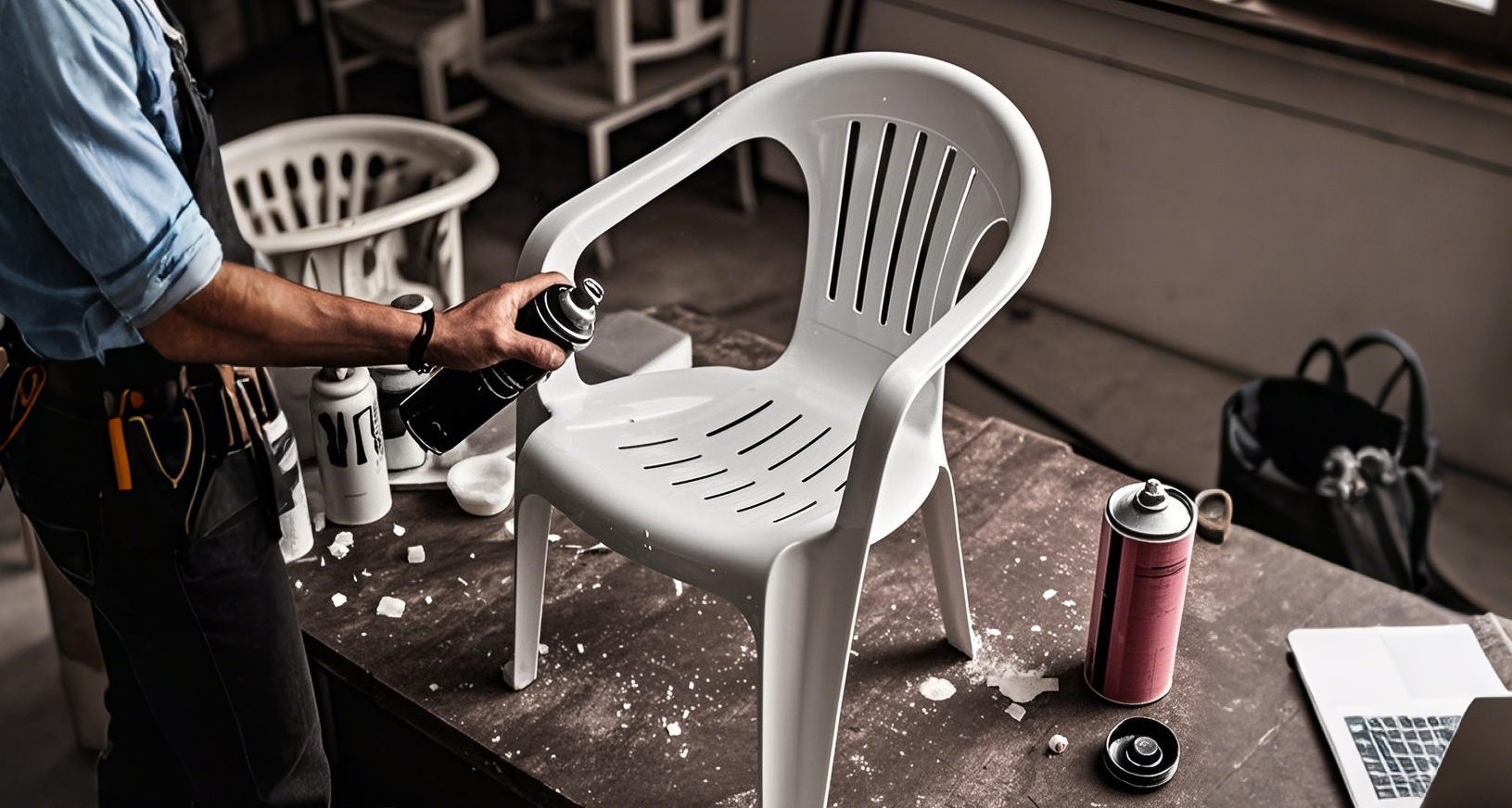
Conclusion: a clear scope of supply that prevents rework
Define the failure up front — substrate type, expected stress, and lifespan — then require the matched chemistry and documented prep. That practical pairing of specification and method saves replacement costs and service visits; working with a supplier that understands plastic finishing and supplies adhesion promoters, primers, and compatible aerosols keeps projects on spec, as demonstrated by tested field workflows from professional refinishers and industry shows. For reliable sourcing and product guidance, consider partners such as SANVO who align materials and methods to real-world demands.