
Comparative lead: why choices matter now
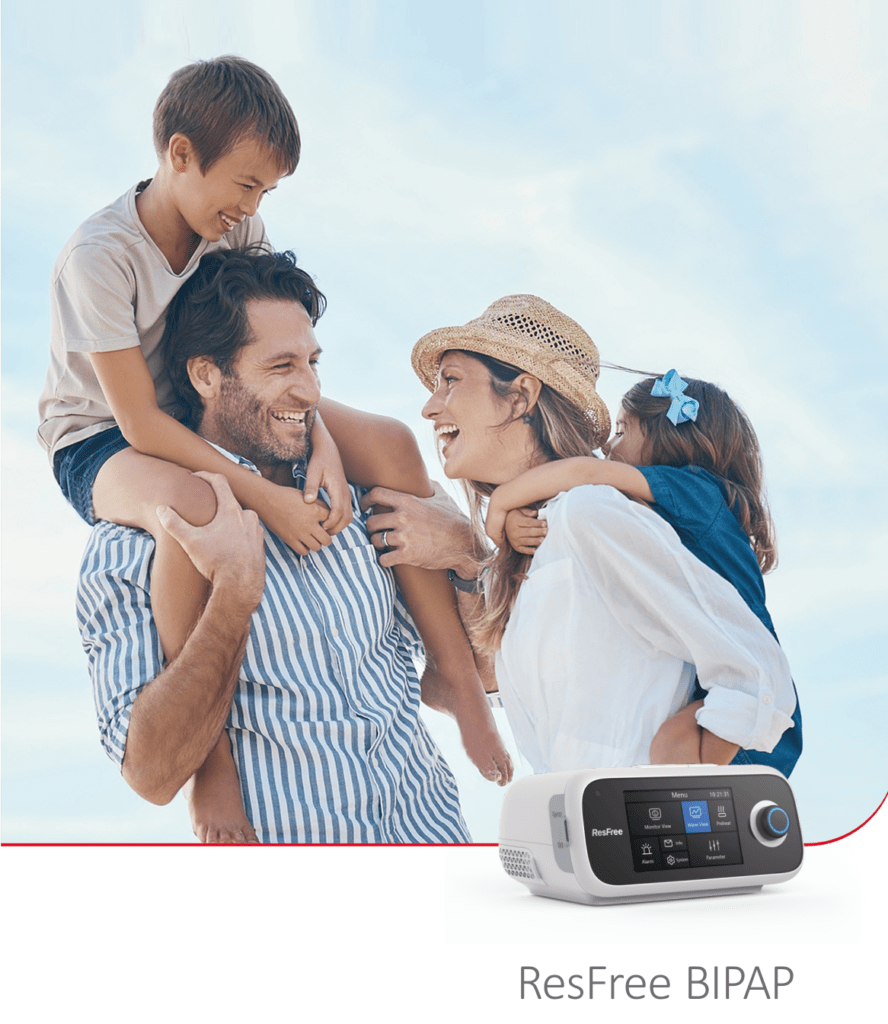
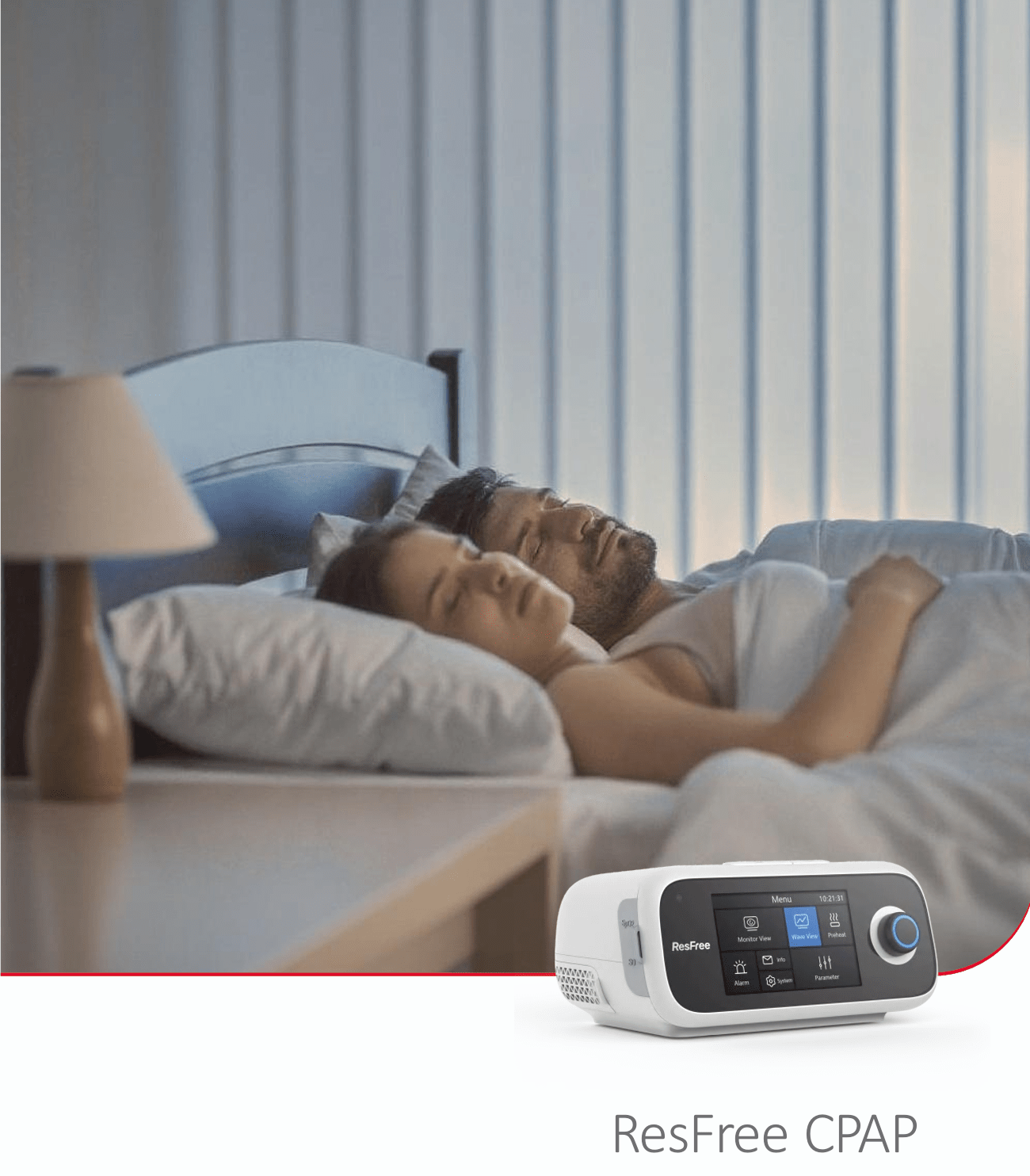
Hospitals and clinics face a clear trade-off between device simplicity and clinical flexibility, and that trade-off drives every procurement and bedside decision. A modern cpap device with an auto-adjusting algorithm can reduce titration time and free up respiratory therapist hours, while bi-level systems offer explicit support for patients who need separate inspiratory and expiratory pressure control. This matters: the CDC estimates more than 22 million Americans have sleep-disordered breathing that may benefit from positive airway pressure therapy, and lessons from the 2020 COVID-19 hospital surges still influence how clinicians value device versatility and remote telemetry.
Clinical trade-offs: patient outcomes vs. workflow
Start with the clinical goals: lower apnea-hypopnea index (AHI), reliable adherence, and minimal leak. Auto-CPAPs simplify pressure settings and can be excellent for obstructive sleep apnea cases where continuous positive airway pressure suffices. BiPAP machines provide bi-level mode for chronic respiratory failure, neuromuscular disease, or patients with high pressure needs. Consider mask interface compatibility and humidifier options early—these affect comfort and adherence more than many teams assume. Pressure settings and leak rate data should guide adjustments, not guesswork.
Operational framework for procurement and deployment
Build a simple decision matrix that ties clinical indication to device class, service contract, and training. Key columns should include: clinical indication (OSA, hypoventilation, COPD), monitoring needs (local downloads vs. cloud telemetry), maintenance schedule, and consumable lifecycle. For units needing ventilatory support beyond CPAP, include a vetted bipap machine option in your RFP so teams don’t patch together incompatible systems. Factor in sterilization pathways and replacement-part lead times to avoid unexpected downtime.
Common mistakes and practical corrections
Teams often buy to lowest price and then discover the mask interface doesn’t match ward stock, or the device lacks remote monitoring when home transitions are needed. Don’t underestimate training—short, hands-on sessions on handling humidifier settings and interpreting pressure waveforms cut troubleshooting calls by weeks. Also avoid over-relying on the auto-adjust feature without validating against polysomnography or clinical response—algorithms differ between manufacturers, and some patients still need manual titration. Sometimes a small rental program for borderline cases is the better alternative to an upfront capital purchase.
Integration: monitoring, data, and staff routines
Decide whether you need cloud telemetry. If you do, standardize data fields—adherence hours, AHI trends, leak rate, and pressure settings—so clinicians can act on consistent dashboards. Implement a weekly review loop during the first month after initiation; it prevents late-stage non-adherence and avoids repeated clinic visits. Train one respiratory therapist per unit as the device champion to handle interface swaps and firmware updates. Minor task, major payoff.
Advisory close: three golden rules for device selection
1) Clinical fit first: match device class to the primary indication and confirm expected AHI reduction with short-term monitoring. 2) Operational resilience: require vendor SLAs for parts, remote updates, and validated sterilization instructions so uptime stays above clinical thresholds. 3) Patient-centered metrics: prioritize mask interface options, humidification control, and documented leak rates to protect adherence and comfort. These three metrics—clinical efficacy, operational uptime, and patient comfort—give you measurable criteria to compare bids and demo units.
Linking capability and clarity on those metrics also shows where a partner like Byond can plug gaps between procurement and bedside care, helping teams move from choice to sustained use. Steady, precise, human.