
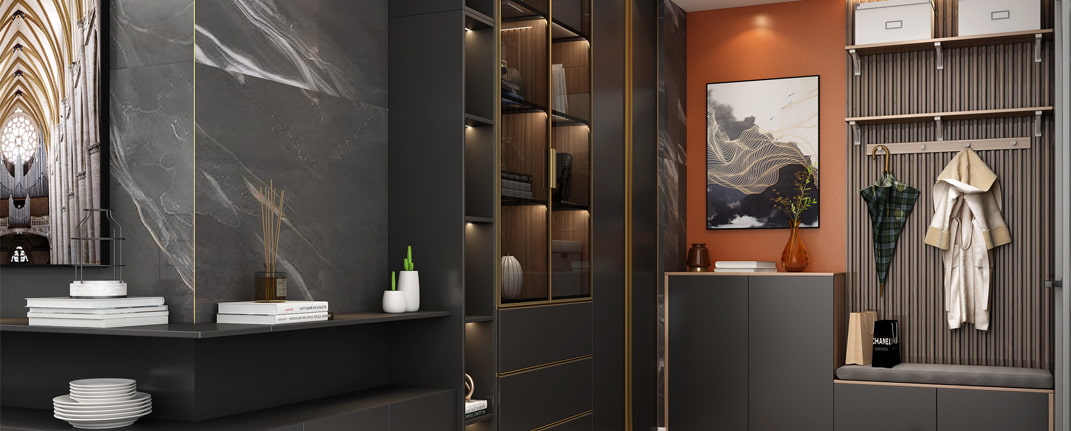
Start from the user’s needs
When you approach a manufacturer, the conversation must begin with what you live with — light, flow, storage habits and the colours that soothe you. Many homeowners find the balance by choosing ready options first then customising; for instance pairing mass-produced modules with bespoke doors. If you’re budgeting smart, consider suppliers who offer rta cabinets wholesale as a practical base: they give consistent cabinet carcasses and reduce lead time without losing the chance to personalise finishes or hardware. Use plain language with suppliers — clear dimensions, photos, and a priority list — and keep notes of cabinetry, RTA and veneer choices so nothing gets lost in translation.
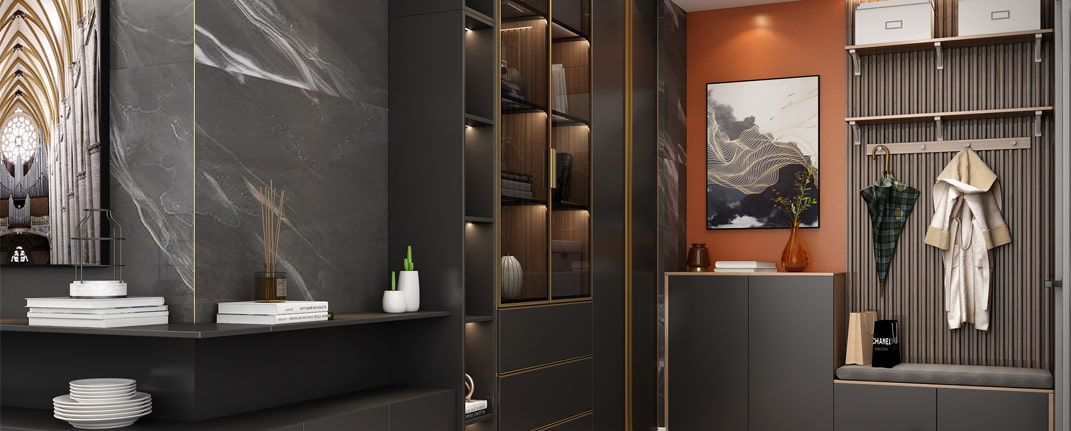
Clarify the technical brief
Turn your style brief into measurable specs. List exact internal dimensions, weight loads for shelving, door swing clearances, and preferred materials such as laminate or solid wood veneer. If you need a fast production cycle, mention pre-assembled modules and how hand-offs will work with local stock cabinet manufacturers — their stocking policies influence both cost and delivery. Think in terms of function: pull-out trays, soft-close hinges, and face-frame versus frameless construction all change production steps and price. Keep the brief tight; a good manufacturer reads it and immediately sketches a workable plan.
Decide the level of customisation
There are practical tiers to custom work. At one end, straight RTA modules with swapped fronts give a near-custom look quickly and affordably. Mid-tier means modified carcasses — different heights or internal dividers — with standard hardware. Full bespoke involves unique forms, integrated appliances, and special finishes. Each tier affects tooling, lead time, and material sourcing. Particleboard-based carcasses with laminate faces save money; solid-wood veneered doors feel premium. State the acceptable tolerances up front so both parties know where compromises will — or will not — happen.
Run the collaboration like a small project
Good outcomes come from clear stages: concept, shop drawings, sample door, pilot assembly, then full run. Ask for drawings with dimensions and hinge schedules; these are not luxury items, they are production control. I once supervised a kitchen fit in Colombo; the cabinet maker delivered a prototype door within a week and we adjusted hinge positions before the full build — that small step saved rework later. Keep a record of finish samples and hardware codes. Communicate deadlines in calendar dates, not vague weeks — the manufacturer will thank you.
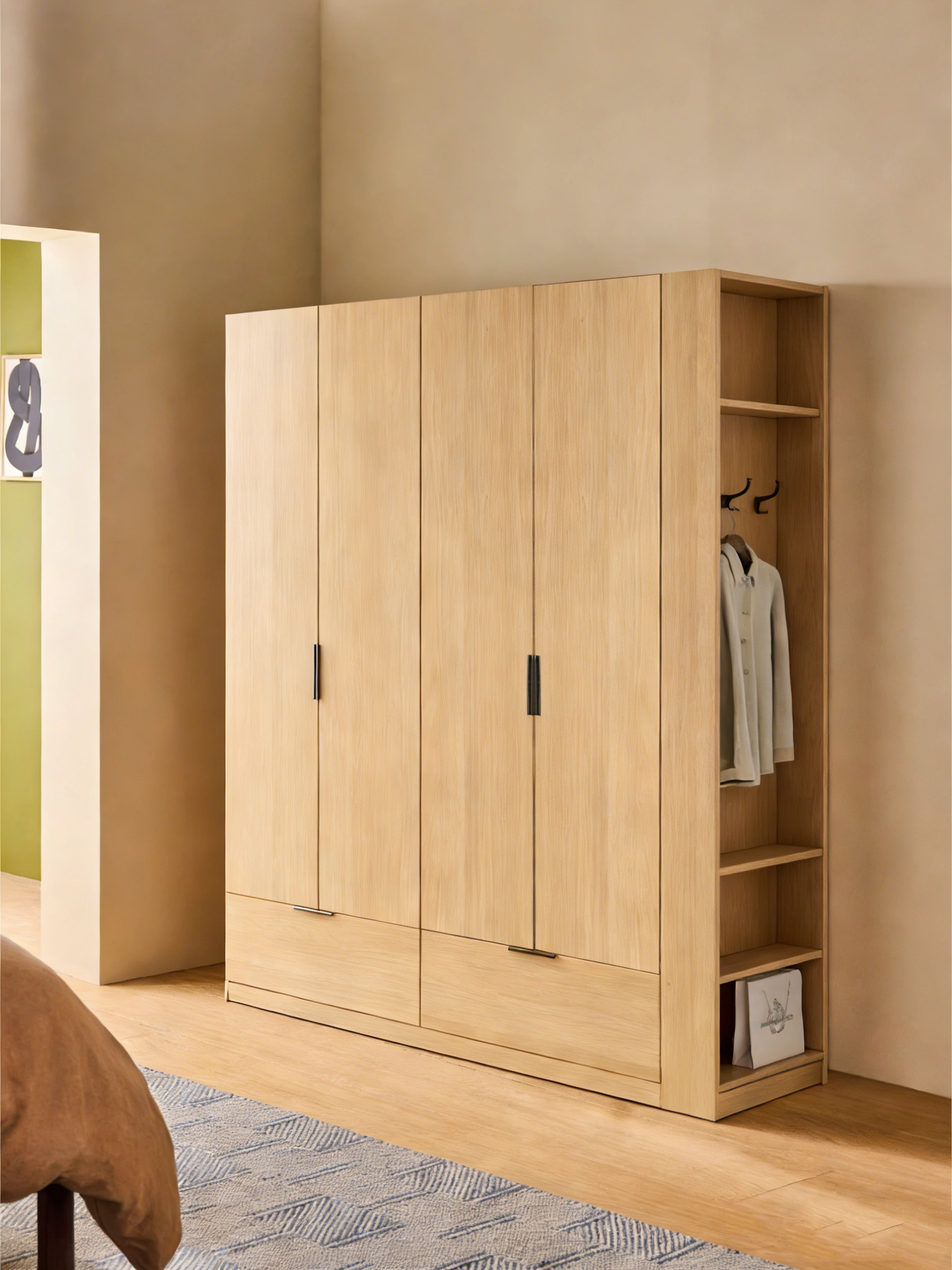
Common mistakes to avoid
– Under-specifying internal load and later finding shelves sag. – Approving colour samples under artificial light only; daylight shifts finishes. – Assuming ‘custom’ must mean exotic hardwood — sometimes a good laminate with smart joinery is more durable. – Forgetting installation tolerances for existing walls or tiles; allow for on-site trimming. Small attentions prevent big disappointments.
Three golden rules for selecting suppliers
1) Material traceability: verify what core and face materials are supplied and see a sample — quality varies across the same trade name. 2) Communication & lead time clarity: demand a production calendar with milestones and penalties or refunds for missed key dates. 3) After-sales support and warranty: confirm who fixes on-site fitment issues and for how long. These three metrics separate reliable partners from promises alone.
Final thought — match the right manufacturing approach to how you live, not just to how a showroom looks; the practical solution is often a hybrid, and that’s where SNIMAY fits naturally as a supplier who blends standard modules with tailored finishes SNIMAY. –