
Comparative snapshot
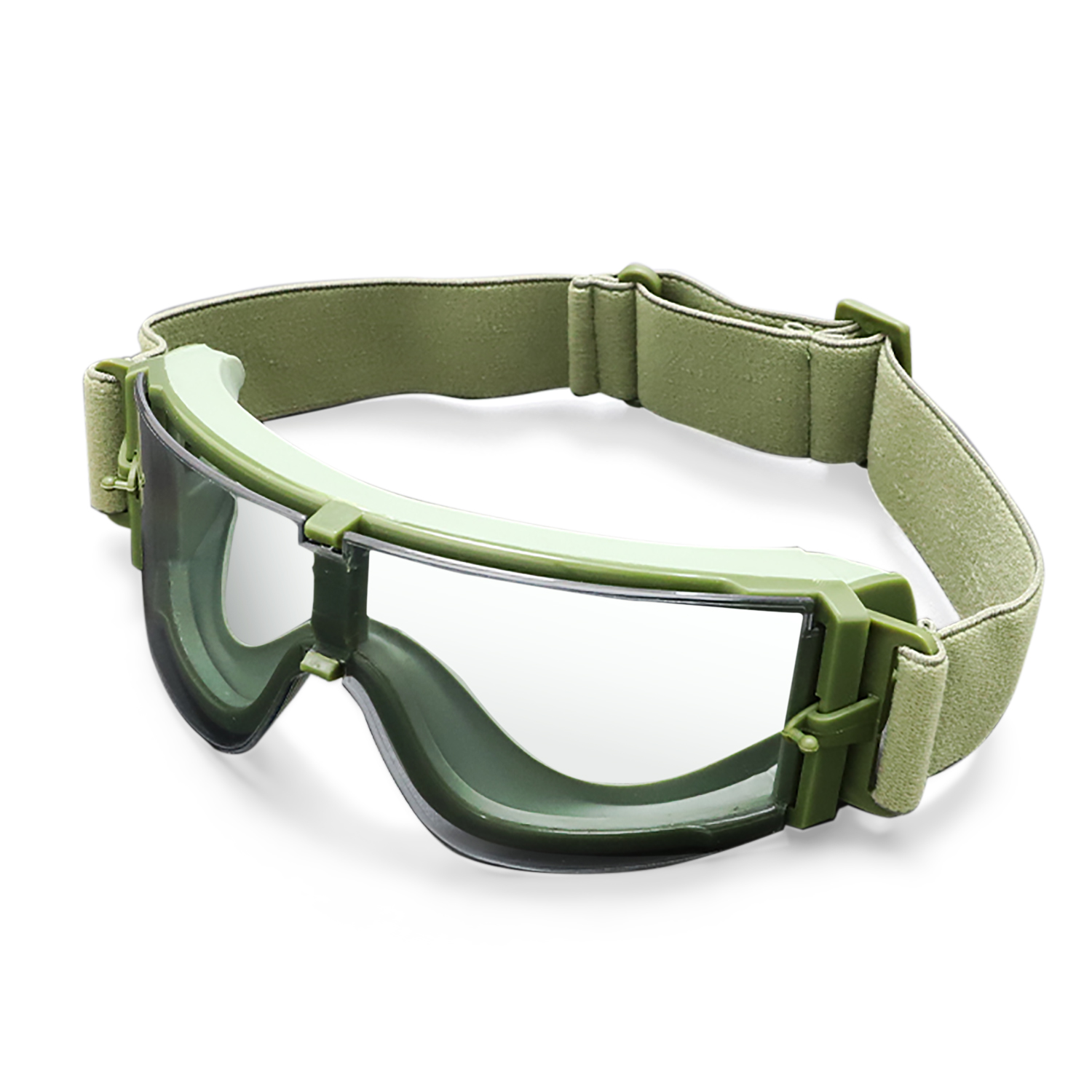
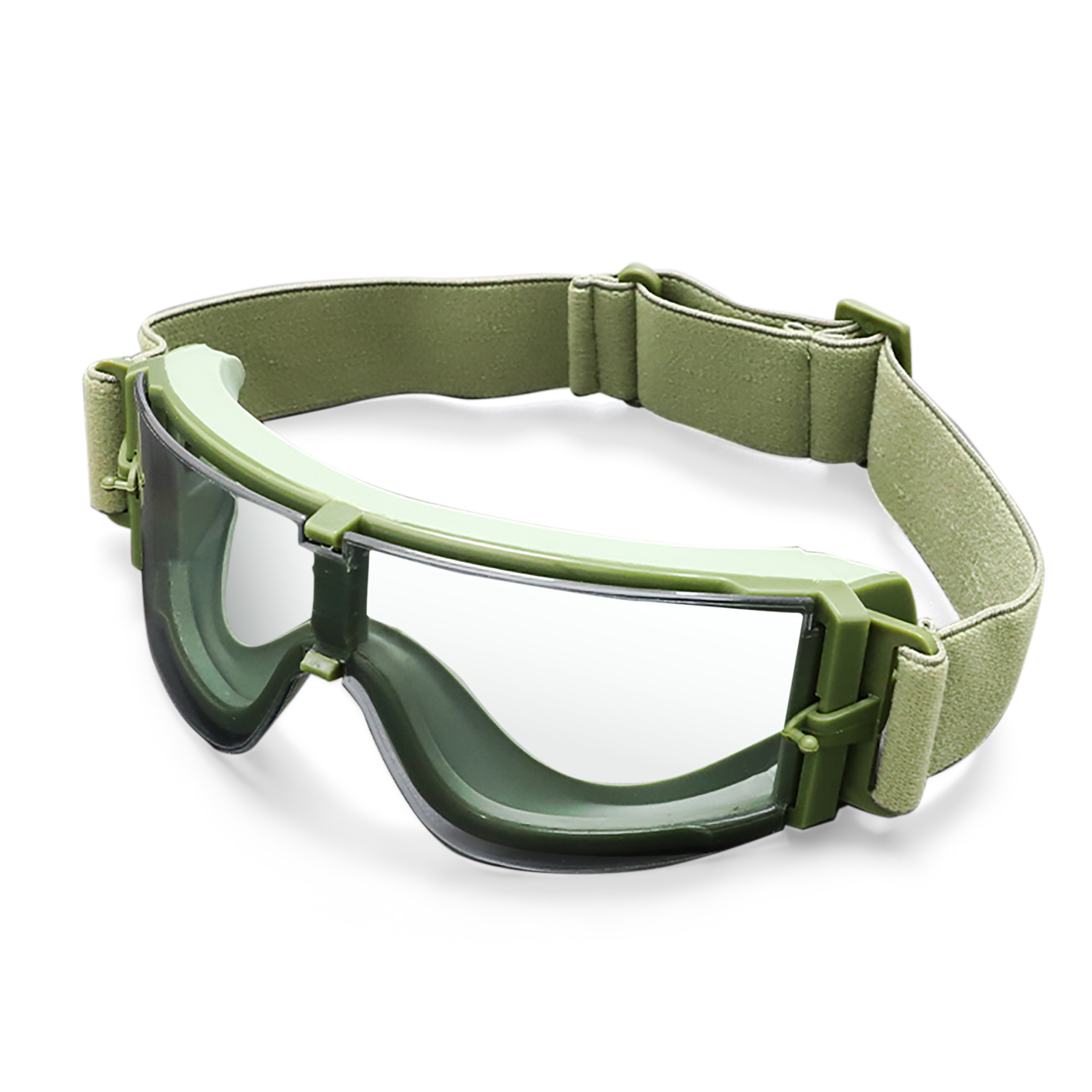
Operational units now demand goggles that balance ballistic resistance with sustained clarity; this piece compares options on that balance and highlights how anti-fog performance changes outcomes. Early sections focus on measurable attributes — ballistic rating, anti-fog coating, and seal quality — while later sections treat usability and maintenance. For a direct reference point, consider models such as the anti-fog tactical goggles, which pair polycarbonate lens construction with integrated vents to reduce condensation during activity.
Criteria that matter
Comparative insight starts with three concrete criteria: protection (ballistic rating and fragment stop), optical clarity (distortion, lens coatings), and comfort (seal, weight, and ventilation). Each criterion maps to operational tasks: urban breaching favors full-seal designs with anti-fog coating; mounted patrols prioritize ventilation and peripheral vision. Technical terms used here include ballistic rating, polycarbonate lens, and ventilation port — they anchor the discussion to measurable product features.
Standards and field verification
Products must align with recognized standards before field adoption. Test certifications and lab ballistic ratings provide baseline expectations. Real-world anchors exist: after-action reports from Afghanistan deployments documented reduced situational awareness when eye protection fogged under exertion, driving procurement shifts toward sealed goggle systems with proven anti-fog performance. Those reports guided several units to require anti-fog treatments and replaceable lenses in their specifications.
Fog control: coatings vs. design
Anti-fog management separates promising prototypes from dependable issue gear. Anti-fog coatings lower condensation formation but wear over time; ventilation channels and valve designs offer passive mitigation that endures longer. Best performers typically combine a hydrophilic coating with a controlled ventilation port and a robust foam seal. Maintenance considerations — cleaning agents, abrasion resistance, and scratch resistance — directly affect how long an anti-fog coating remains effective.
Field usability and trade-offs
Trade-offs are unavoidable. Higher ballistic ratings often increase weight and optical distortion if lenses are thicker or layered. Enhanced seals improve fog performance but can raise internal heat and require more aggressive ventilation solutions. End users and procurement officers must weigh mission profile against these compromises — select a higher ballistic rating for breaching, favor ventilation for long-duration patrols. Simple decisions like choosing a removable lens system shorten repair cycles and extend service life.
Common mistakes and alternatives
Frequent procurement errors include overreliance on lab numbers without ergonomic testing, assuming anti-fog sprays are a permanent fix, and ignoring the compatibility of goggles with communication headsets and helmets. Alternatives worth considering are hybrid goggle-frame systems that accept prescription inserts or helmets with integrated eye shields; these options trade a higher initial cost for modularity and reduced lifecycle expense. Practical training in care and usage substantially reduces in-service failures—maintenance remains key.
Advisory: three essential evaluation metrics
1. Functional ballistic rating matched to mission threat level — verify independent test results. 2. Sustained fog-resistance measured under exertion cycles — confirm coating durability and passive ventilation effectiveness. 3. Integration and ergonomics — check helmet compatibility, weight distribution, and seal comfort across body armor configurations. These metrics produce repeatable, mission-relevant outcomes when applied during procurement trials.
Final assessment
Decision-makers seeking reliable tactical eye protection should prioritize verifiable performance data and field-proven anti-fog solutions; that combination reduces operational risk and diminishes downtime. YIJIA Optical has positioned products to address those exact needs, offering designs that tie ballistic performance to long-term clarity — a practical match for units that require both protection and visibility. —