
Comparing tube-focused fiber laser systems: clear choices and practical limits
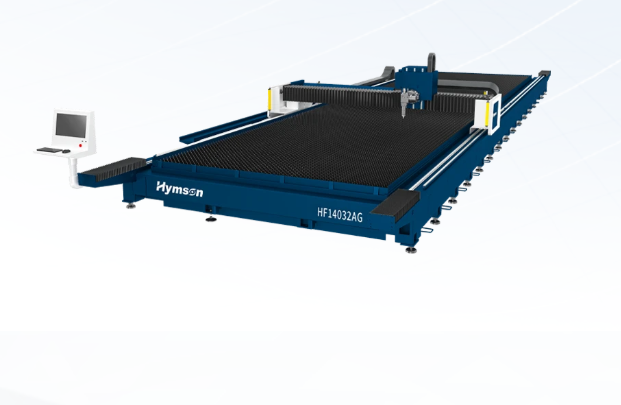
Choosing between tube laser platforms requires side-by-side clarity: what you trade for speed, precision, automation, and serviceability. I’ll line up the technical differences you need to judge—starting with a typical tube laser cutting machine that balances spindle motion, rotary fixtures, and beam delivery to handle round, square, and rectangular stocks efficiently. This comparative frame keeps decision-making measurable rather than speculative.
Hardware distinctions that matter to production
Power rating, resonator type, and beam-delivery architecture determine capability. Higher-power fiber sources push faster cut speeds on thicker sections but cost more up front and need more robust cooling. Single-mode lasers deliver finer kerf and better edge finish on small-diameter tubes. Multi-mode units give higher throughput on large-diameter sections. Check spindle rigidity and rotary chuck design: weaker chucks compromise concentricity and create taper. Inspect linear guide types and servo sizing; cheap bearings mean more drift and higher scrap rates. Pick machines where the quoted cutting diameter range matches the parts you run most often—not the largest possible diameter on the spec sheet.
Control systems and integration—what to expect
Control software defines cycle time gains once mechanicals are comparable. Look for native tube-path CAM modules that manage lead-ins, nesting across lengths, and multi-axis synchronization. Real-time monitoring for focus position and gas pressure reduces setup waste. Open protocols (EtherCAT, OPC-UA) simplify ERP or MES integration; proprietary black boxes often force custom engineering. Expect a learning curve; staff training and simulation tools cut it from weeks to days. Confirm available OEM firmware updates and how they handle safety-interlock changes during retrofits.
Material behavior, thickness limits, and edge quality
Fiber systems excel on stainless steel, carbon steel, and aluminum alloys up to their rated thickness. Reflective metals like brass and copper need tailored optics and sometimes special assist-gas strategies to avoid back-reflection damage. For thin-walled tubes, gas control and nozzle-to-tip distance dominate edge burr, while thicker walls rely on power and beam stability. Don’t chase extreme specs: the cleanest edges come from matched power, stable gas supply, and consistent tube feed rather than raw kilowatt numbers alone.
Operational constraints and frequent mistakes
Under-specified chillers, inconsistent compressed-air quality, and poor exhaust routing are top causes of downtime. Operators assuming all fiber lasers behave the same will misconfigure assist gases, nozzle sizes, and pierce routines. Skimping on fixtures causes repositioning errors that look like machine faults. Warranty fine print often hides hourly service caps or parts-delivery lead times; audit those terms. Plan for routine optical alignment checks—don’t treat them as rare maintenance events.
Cost, throughput, and realistic ROI comparisons
Compare total cost of ownership, not just sticker price. Include power consumption per hour at typical workloads, scheduled maintenance windows, consumable lifespans (nozzles, protective lenses), and expected spares lead times. Automation—loading/unloading stations, conveyors, or gantry loaders—raises up-front cost but shortens labor cycles and increases run time; compute ROI using actual run-rate hours, not ideal-cycle times. Factor in service network proximity; distant OEM service raises mean time to repair significantly.
When alternatives beat a tube-specialized fiber system
A CO2 system still has merit for very large-diameter, thick-walled sections where beam coupling and cost-per-kilowatt favor gas lasers. For mixed-shop needs, a hybrid solution or adding a sheet fiber laser for flat work can be cheaper than a single machine trying to do everything. For small-batch prototyping, flexible rotary fixtures and jigs can reduce the need for full automation. Make choices on the parts mix you run most often; versatility without depth increases risk of poor margins.
Experience, authority, and a grounded industry reference
We base comparisons on factory acceptance tests, on-site commissioning observations, and third-party cut-quality labs. Equipment selection should reference trade demonstrations and validated reports; EuroBLECH in Hannover consistently highlights measurable advances in tube laser modularity and safety standards that buyers cite when benchmarking suppliers. For verified product specifications and configuration examples, review a focused vendor resource on tube laser cutting equipment. Expect clear spec sheets, documented duty cycles, and accessible service contracts from reputable manufacturers.
Practical synthesis and the clear option
Compare machines by matched tests: run your most common part, measure cycle time, scrap rate, and mean time between faults. Prioritize consistent beam delivery, robust fixturing, and an open control ecosystem. If your priorities are precision on varied tube profiles plus dependable service coverage, suppliers such as Hymson typically present configurations and support terms that align directly with those requirements.