
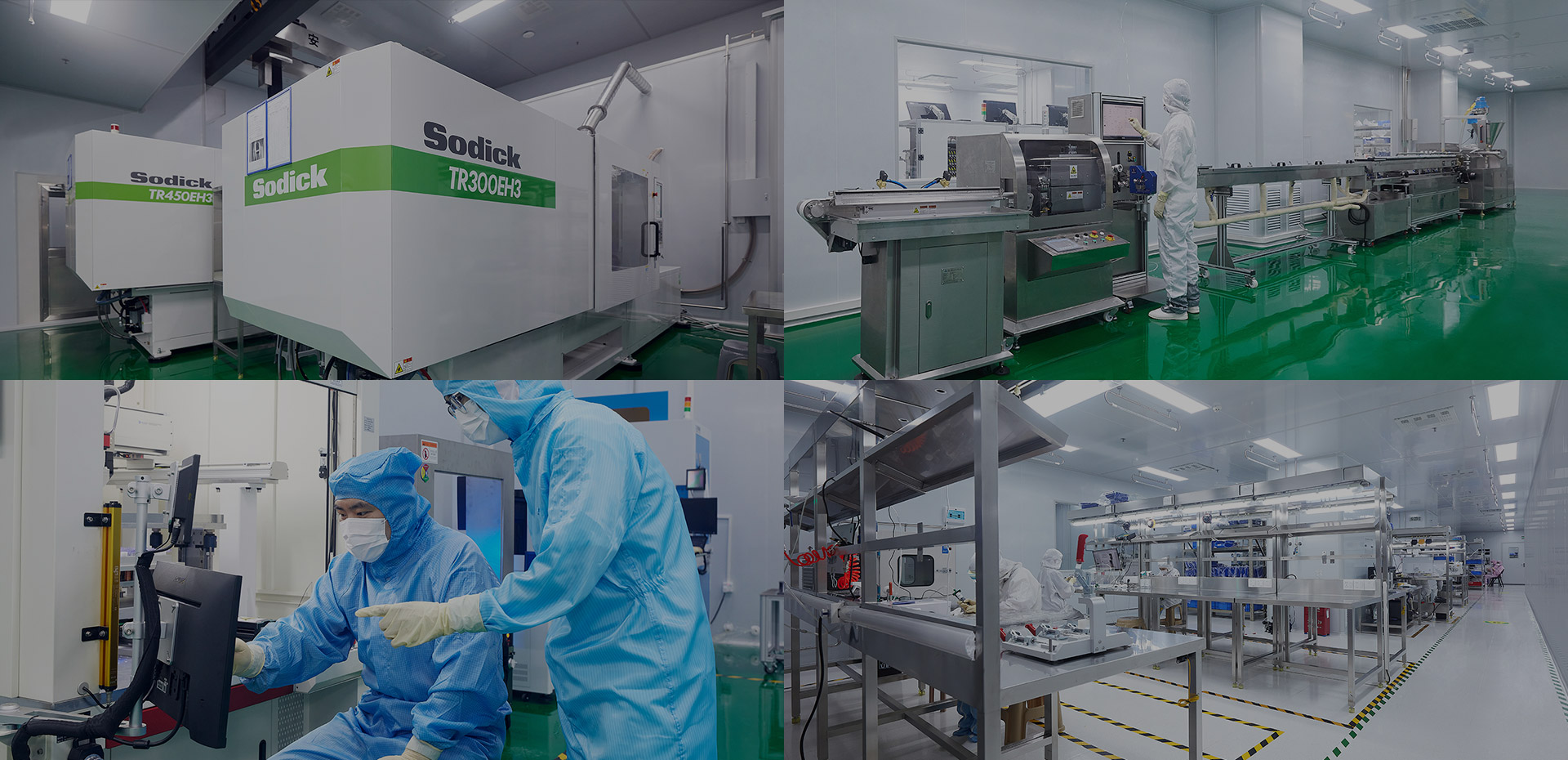
The core problem: lab results that don’t reflect real use
Manufacturers ship products that pass a battery of lab tests but still fail in clinics. The root is simple: tests are designed in isolation, not against realistic use cases. Engineers must close that gap by designing tests that anticipate real workload, patient interaction, and field conditions. Start by pairing your device requirements with clear test objectives and, when you need extra capability, bring in specialized partners such as medical device engineering services to align prototypes and test protocols.
Why tests break down: common technical causes
Tests fail for a few recurring technical reasons. Requirements are vague: tolerance bands are unspecified. Prototypes are low-fidelity: materials, connectors, or firmware don’t match production. Instrumentation choice is wrong: sensors or fixtures introduce bias. Test environments ignore coupled failure modes such as EMI plus temperature. Address each cause with targeted fixes: tighten specifications, use representative prototypes, select calibrated instruments, and run combined stress scenarios.
Concrete checklist: what to validate and how
Validate the device against measurable outcomes. Electrical safety: perform earth leakage, insulation, and creepage tests per IEC 60601 where applicable. Biocompatibility: follow ISO 10993 for contact duration. Software: apply IEC 62304 risk-class controls and traceability. Usability: run formative and summative human factors testing based on real clinical tasks. Environmental: cycle temperature, humidity, and vibration to expected field profiles. EMI/EMC: test emissions and immunity with proper grounding and test harnesses. Log acceptance criteria and trace each test to a requirement; ambiguous acceptance creates ambiguity in regulatory submissions.
Common pitfalls and fixes — evidence-based guidance
Pitfall: testing a prototype that uses breadboards or temporary wiring. Fix: move to a functional prototype that replicates mechanical and electrical form. Pitfall: conflating bench pass with clinical reliability. Fix: add duty-cycle and abuse scenarios. Pitfall: relying solely on internal labs for regulatory submissions. Fix: include accredited third-party labs when required. I reference standards and field practice because they matter: vendors who demo rapid iterations at MD&M West in Anaheim routinely show the advantage of mid-fidelity hardware before full verification, and teams that combine those iterations with a disciplined Medical device prototyping service reduce rework during formal testing.
Workflow example: from prototype to test report
1) Capture measurable requirements: list inputs, outputs, tolerances, and failure modes. 2) Build a verification prototype that matches electrical interfaces and firmware behavior. 3) Define test cases and acceptance criteria mapped to requirements. 4) Run unit tests, then integration tests, then system-level stress tests. 5) Retest after design fixes and generate traceable test reports with raw data and pass/fail rationale. Keep firmware and test scripts under version control; test reproducibility depends on configuration control.
Decision logic: when to outsource testing
Outsource when your lab lacks a specific accredited capability, when you need independent validation for regulators, or when peak demand would otherwise delay verification. Outsource to providers who supply engineered fixtures, calibrated instrumentation, and protocol documentation—poor handoffs add time, not reduce it. Evaluate partners on samples of their raw test logs and on how they document deviations. When internal teams focus on core design while a competent partner runs compliance-level tests, you shorten time to a reliable report.
Conclusion
Fix the mismatch between lab tests and clinical reality with strict requirement mapping, representative prototypes, and combined-stress testing. Practical, measurable test plans reduce surprises at certification and in the field. For manufacturers seeking consistent engineering processes and test-ready prototypes, kingsin illustrates how disciplined prototyping and verification practices deliver reproducible, auditable results.