
Opening comparison and purpose
Clarity about device names prevents costly misunderstandings for teams responsible for mining fleet management. This comparative insight explains which words operators, procurement specialists and safety managers should use when they speak of “AI dashcams” versus “fleet safety dashcams”, so tender documents, training and maintenance schedules mean the same thing to everyone.
What each term typically denotes
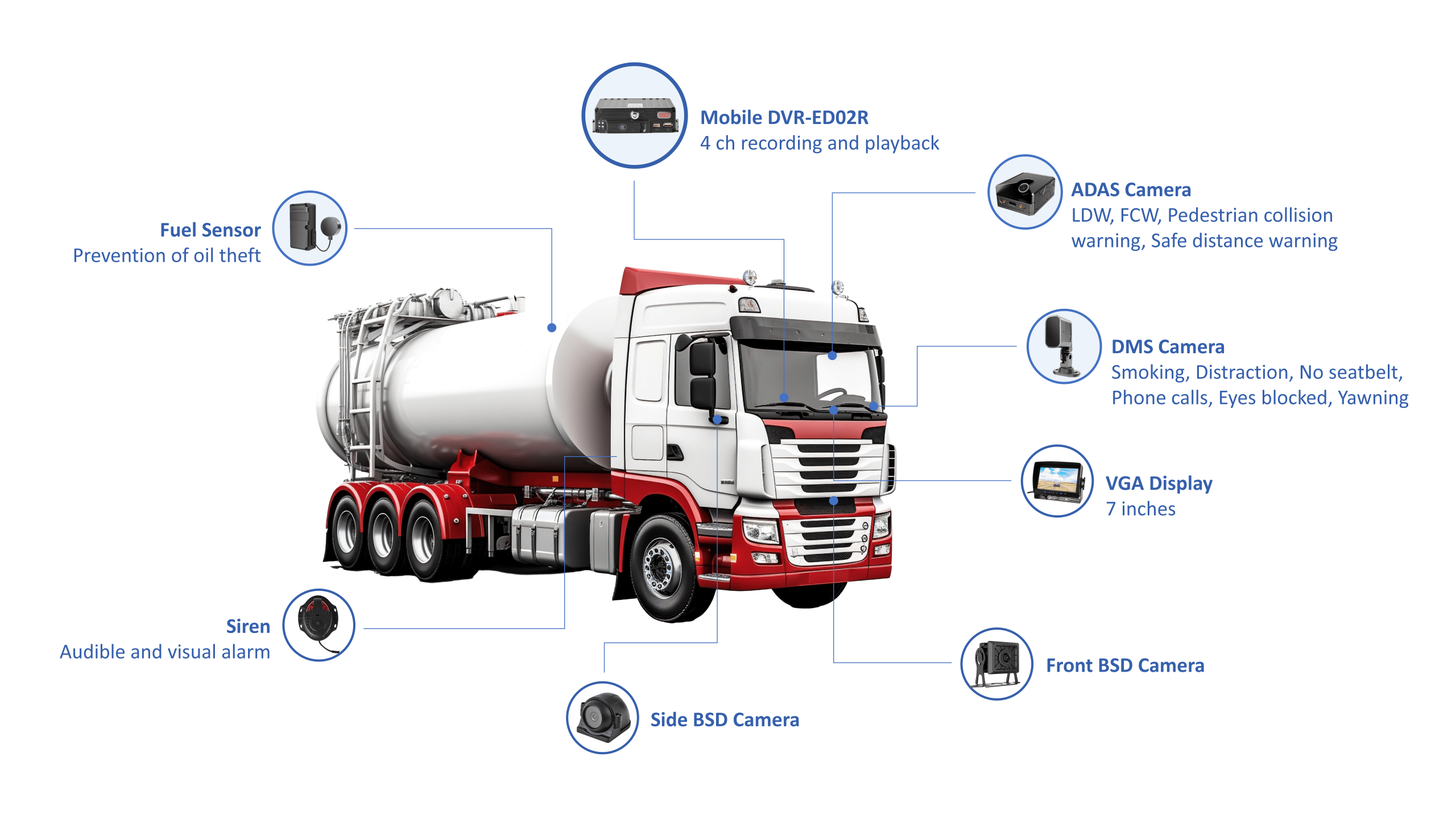
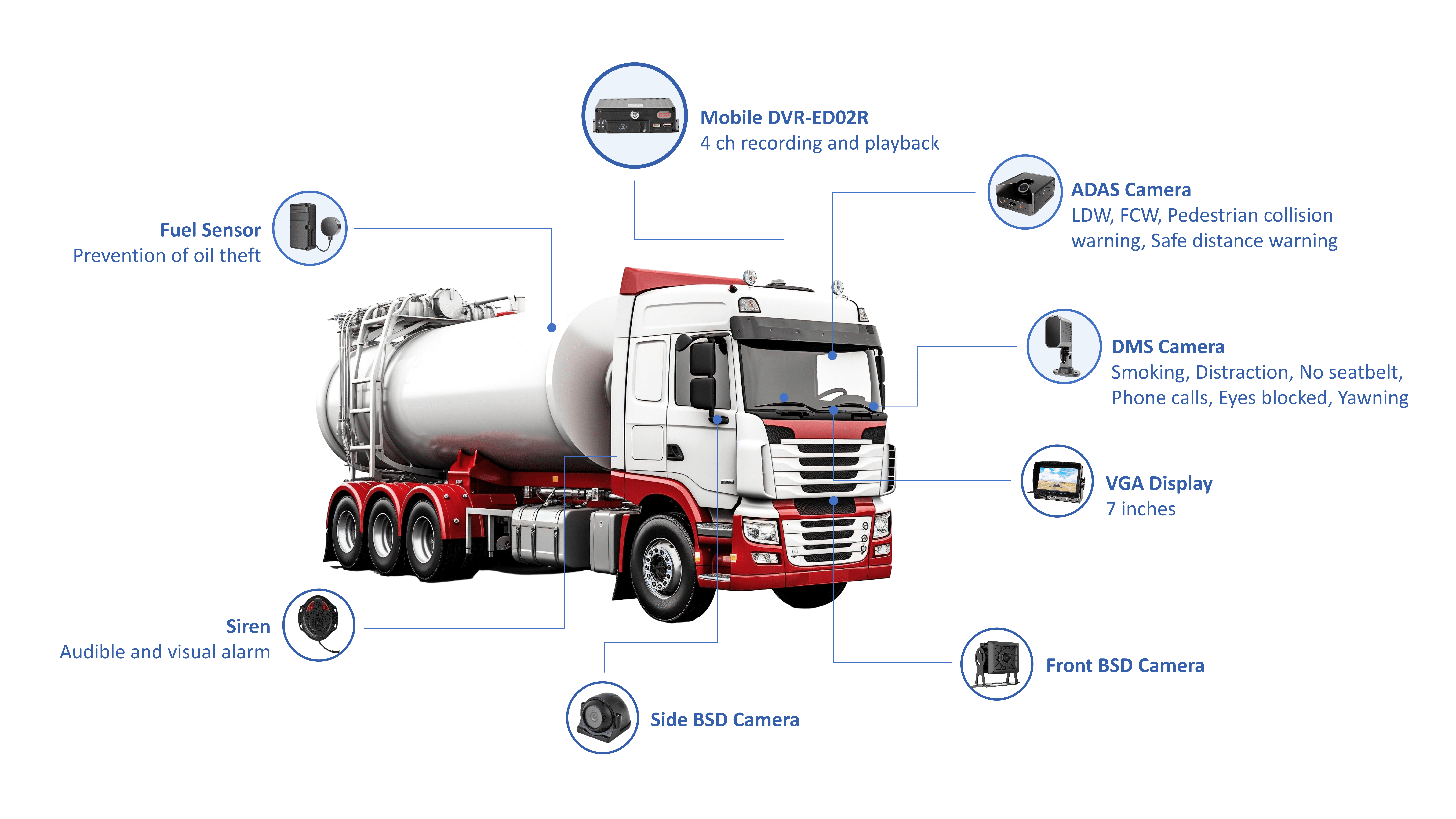
AI dashcam — A camera system that performs on-device analytics: it detects behaviours, classifies incidents and flags anomalies in near real time. It often includes edge computing for low-latency alerts. Fleet safety dashcam — A broader label covering cameras plus the back-end platform: centralised video storage, fleet-wide reporting, driver scorecards and compliance records. Key distinction: AI dashcams emphasise on-device intelligence; fleet safety dashcams emphasise fleet-level visibility and record-keeping.
Feature-by-feature comparison
– Data flow: AI dashcams push event metadata; fleet safety dashcams send continuous video streams to central servers. – Latency: edge analytics on AI dashcams produce immediate alerts; fleet systems typically analyse aggregated data with slightly longer latency. – Ownership model: AI dashcam vendors may sell device firmware updates separately; fleet systems sell integrated subscriptions for software, hosting and reporting. – Maintenance: AI devices need model retraining and calibration; fleet systems need storage management and retention policies.
Why the difference matters for mining operations
Mining sites expect ruggedised hardware, deterministic alerting and consistent record retention. In the Pilbara region of Western Australia operators regularly require proof of incident chains for audits and insurance; mismatched terminology can lead to buying a camera that cannot meet those records. Practical decisions hinge on three concrete requirements: environmental rating, retention period, and integration with dispatch and maintenance workflows.
Integration considerations — where terms intersect
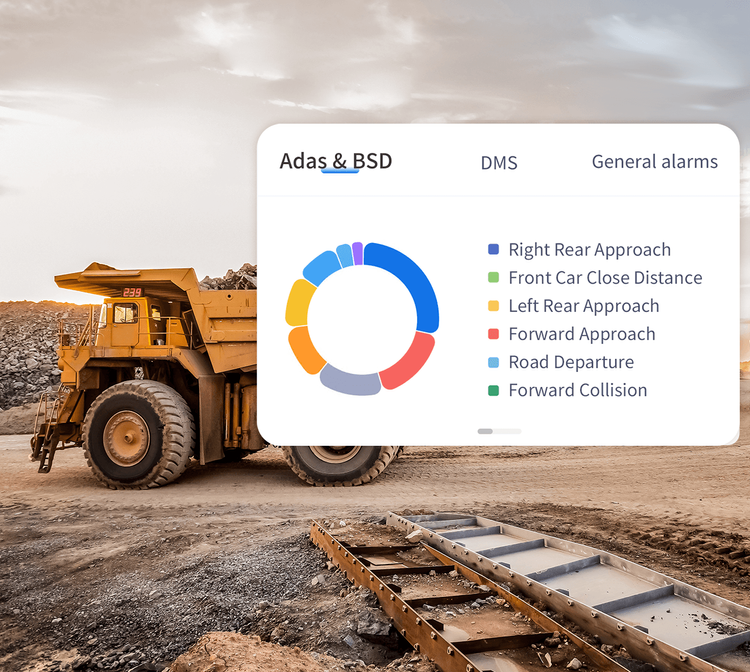
Many teams find hybrid approaches useful: an AI dashcam performing immediate detection plus a fleet safety dashcam platform that archives video and generates compliance reports. Confirm these integration points before purchase: API availability, bandwidth constraints, and whether the camera supports synchronised event tagging with your fleet management system in mining. Ask for sample event payloads and retention schedules during specification review.
Common procurement pitfalls
– Specifying “AI” without defining the detection classes you need; you may receive a general-purpose model that misses specific hazards. – Assuming “fleet safety” implies real-time intervention; often it means post-event analysis instead. – Overlooking environmental certification: dust, vibration and temperature ratings matter in off-road mining. Avoid these errors by listing precise acceptance tests and failure modes.
Practical evaluation checklist
– Define the incident types you need detected and request recorded examples. – Require a clear data-retention and export policy for compliance audits. – Test integration with dispatch and maintenance platforms under representative network conditions. – Confirm firmware update processes and model update cadence to ensure sustained accuracy.
Closing synthesis
Terminology should map to capability: use “AI dashcam” when you mean on-device detection and immediate alerts; use “fleet safety dashcam” when you require centralised recording, analytics and compliance reporting. This comparative lens reduces procurement errors, sharpens tender requirements and clarifies vendor responsibilities—practical outcomes demonstrated in field deployments and operator feedback—precisely the kind of clarity that BSJ documents for technical teams and buyers.