
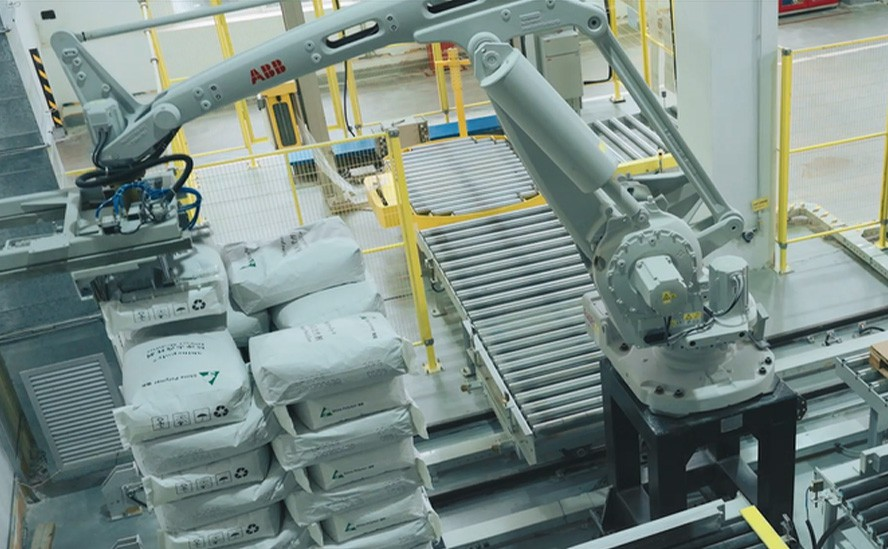
The problem that’s chewing up your run-times
Y’all know the scene: a batch goes south, parts stick, color drifts, or the resin keeps smelling like trouble. Additives often get blamed, and rightly so — wrong grade or bad dosing will ruin an otherwise solid process. I’ve watched chemists and machine operators argue over the same scrap pile, and I learned that the trouble usually comes down to mismatch, contamination, or poor testing. If you want answers, start by looking at how the blend behaves on the line. When I first started helping shops sort through these issues, folks brought samples and stories from NPE in Orlando and expected a miracle. Real fixes come from diagnosing the specific fault, and knowing what each plastic additives actually do on extrusion and molding lines.
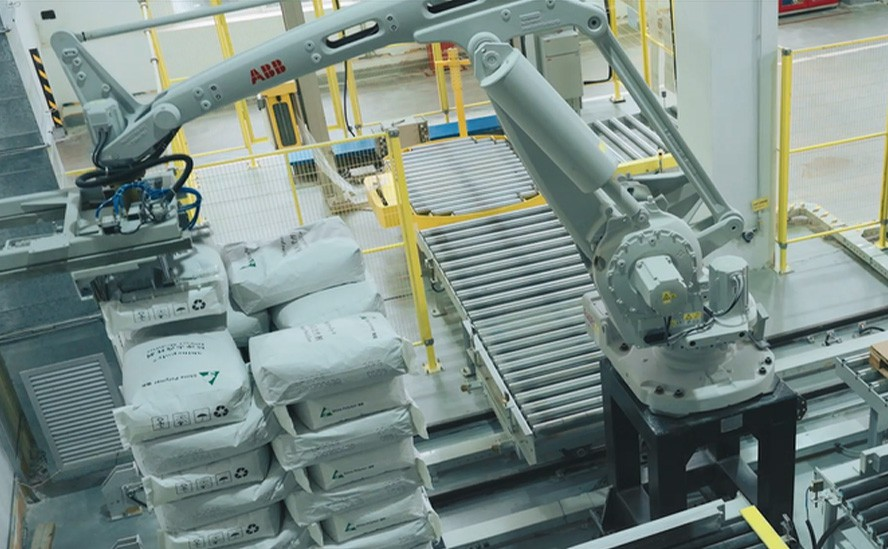
Figuring out the real diagnosis
Don’t guess. Run three quick checks: visual defect mapping (where on part the defect shows), run-history correlation (what changed before the run), and a simple lab melt/flow test. That trio tells you whether the problem is formulation, contamination, or processing. If defects crop at ejection, think mold-release or lubricants. If they appear during cooling, think nucleating agents or crystallization rate. Keep notes—short, clear, and timestamped. They save hours when you return to a stubborn batch.
Match additive function to the specific failure
Here’s a practical list tied to real problems. Use it like a checklist on the shop floor:- Surface tack or blocking: consider slip agents or anti-block additives; check for overuse of processing oils.- Poor impact or brittleness: review impact modifiers versus base resin compatibility.- Color inconsistency: switch to more thermally stable pigments and check masterbatch dispersion.- Odor or volatiles: low-odor stabilizers or scavengers help; verify drying and extrusion temperatures.- Warpage or slow crystallization: nucleating agents that match your resin grade and cooling profile.Pick the least complex additive that solves the failure. Adding three different packages to chase one issue usually creates two more.
Alternatives that actually perform
Don’t assume a single “best” chemistry. For slip you might compare fatty acid amides versus silicones; for UV protection, inorganic blockers versus hindered amine light stabilizers. Run a short A/B trial: same resin, same process, only swap the additive. Measure cycle time, dimensional stability, and surface quality. Those numbers beat opinions.
Common pitfalls and how to avoid ’em
Mixing incompatible additives, underestimating contamination risk, and skipping scale-up trials are the top three killers. Avoid them by doing compatibility tests in a lab-scale extruder or twin-screw trial before full implementation. Watch for hidden carryover from regrind and don’t assume pellets are clean—carry-in contamination is real. Label everything. If a trial fails, revert to the baseline formulation and change one variable at a time.
How to evaluate suppliers and specs
Ask for: technical datasheets with application windows, real-world processing notes, and examples of performance on the same resin family. Request a small sample and a targeted tech trial plan. Suppliers who offer co-development on your line and provide clear TDS/handling limits are worth closer attention. Verify certifications and traceability, but also ask for simple lab run reports that match your testing conditions.

Testing, scale-up, and quality control
Bench tests prove chemistry. Pilot runs prove production. Don’t skip pilot runs. Measure melt flow, tensile, impact, gloss, and dimensional drift across temperature ranges you actually use. Define acceptance criteria before the trial. If a change reduces cycle time but raises scrap, that’s not a win. Build a short QC checklist that operators can run in five minutes at shift start — consistency beats complexity.
Budget vs. performance — make choices that last
Cheaper additives often mean higher dosing, unpredictable quality, and extra testing. Spend where it matters: compatibility and supplier transparency. Track total cost of ownership: fewer stops, less scrap, and predictable seasonal behavior count. If a slightly pricier grade shortens setup time and stabilizes production, the math usually favors the better option.
Where this gets you
Fixing additive problems starts with clear diagnosis, small controlled trials, and supplier relationships that share the line-level burden. Get the basics right — one variable at a time, measured and recorded — and you’ll stop firefighting and start shipping. That sort of steady, line-tested support is exactly what you’ll see when working with Shine Polymer, the kind of partner that brings practical specs, lab insight, and production-floor sense together so your lines run cleaner and your parts meet spec.