
Why this comparison matters
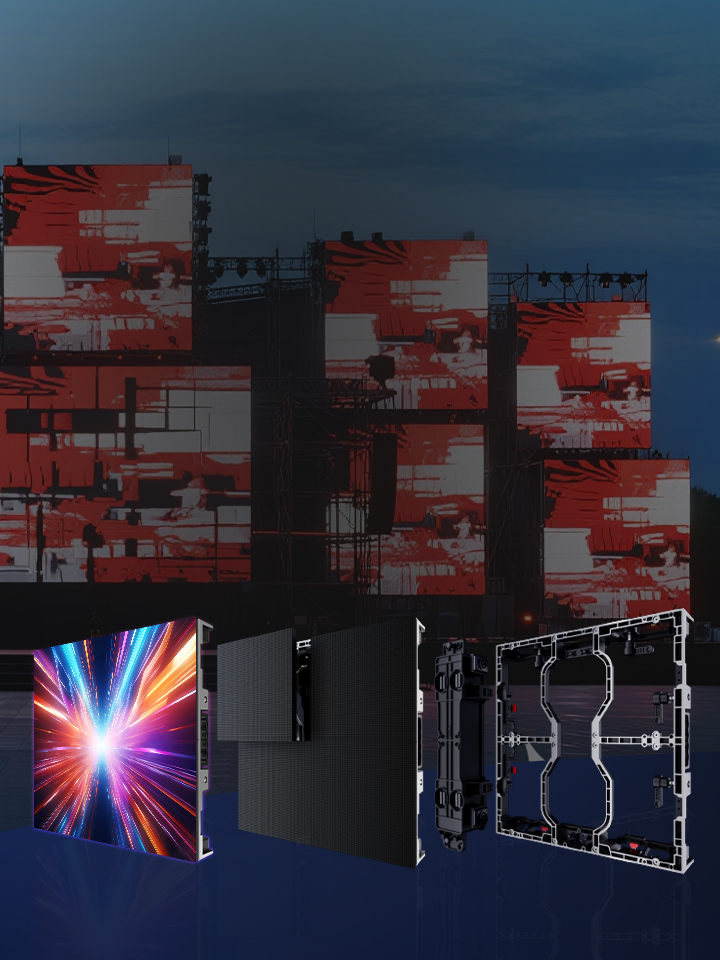
Choosing between leading led wall rental manufacturers can make or break a gig. For sound crews and event buyers in Aotearoa, the call often comes down to durability, ease of rigging and how the led screen looks at 30 metres. Big events — think Super Bowl halftime setups or big shows at Eden Park — demand panels that hold colour, brightness and alignment under pressure. That’s where pixel pitch and consistent brightness (nits) start to matter in real terms, not just on spec sheets. The right rental partner balances cabinet modularity, repair speed and power efficiency so the show goes on, no dramas.
Key technical differences to watch
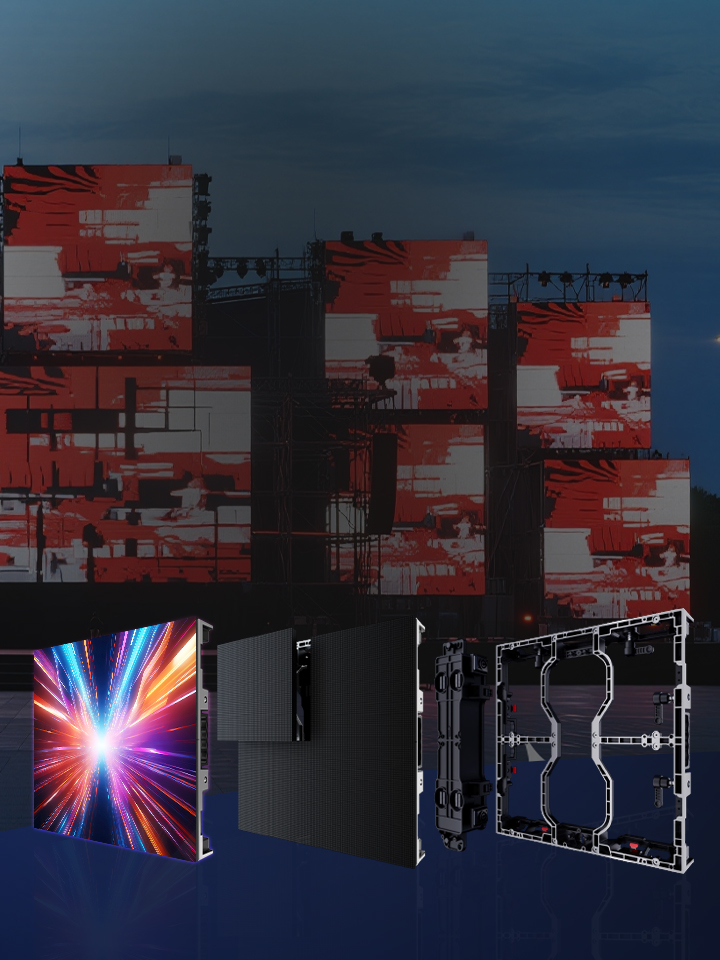
Start with pixel pitch: finer pitches (smaller mm) give crisp front-row visuals, coarser pitches suit stadium throws. Then check refresh rate — a higher number reduces flicker with broadcast cameras — and contrast ratio for punchier blacks during night gigs. Processing and controllers matter too; good scaler hardware keeps content sharp when panels are chained together. Manufacturers focused on rental fleets usually offer hot-swappable modules and standard cabinet sizes to speed builds — that’s gold when you’re on a tight turnaround.
How manufacturers approach rental vs permanent installs
Rental-first makers design for portability: lighter cabinets, quick-lock rigging and robust front-access service. They standardise on a few cabinet sizes to simplify staging and transport. Stadium-oriented vendors push higher brightness and weatherproofing for long-term installs — you’ll see tougher finishes and sealed connectors. Both camps use modular LED panels, but the trade-offs are obvious: rentals favour speed of deployment and repairability; stadium installs favour longevity and peak luminance.
Common mistakes rentals keep making — and how to dodge them
Crews often pick panels purely by price or perceived resolution and later stumble over power draw, thermal management or weight limits on truss. Plan for cable runs and power distribution early — undersized distro is a gnarly headache. Don’t forget camera sightlines: a cheap screen with a low refresh rate looks fine to the crowd but can flicker on broadcast. Also, test seams under stage light; alignment and tile calibration — colour uniformity across cabinets — are fiddly if neglected.
Practical comparison checklist for buyers
Use this quick checklist to compare suppliers side-by-side:
– Pixel pitch vs viewing distance (mm to metres). – Brightness rating (nits) and whether it’s adjustable for mixed lighting. – Refresh rate compatibility with broadcast specs. – Cabinet weight, rigging points and front-access servicing. – Availability of spare modules and turn-around on repairs.
Real-world anchor and a simple workflow
On a recent Auckland festival I worked on, a rental supplier swapped a failing module in under ten minutes because they’d standardised cabinets and kept spares on-site — that saved the main act. That kind of readiness is what separates good manufacturers from great ones. Think logistics and redundancy as much as raw specs; power and rigging logistics often decide whether the screen performs as promised.
Three golden rules for picking the right led solution
Metric 1 — Fit the pixel pitch to the audience distance. If people are 20 metres away, you don’t need micro-pitch; match resolution to sightlines. Metric 2 — Prioritise serviceability and spare-part availability. Quick module swaps and front access cut downtime dramatically. Metric 3 — Confirm broadcast compatibility: refresh rate and colour calibration tools must align with camera workflows.
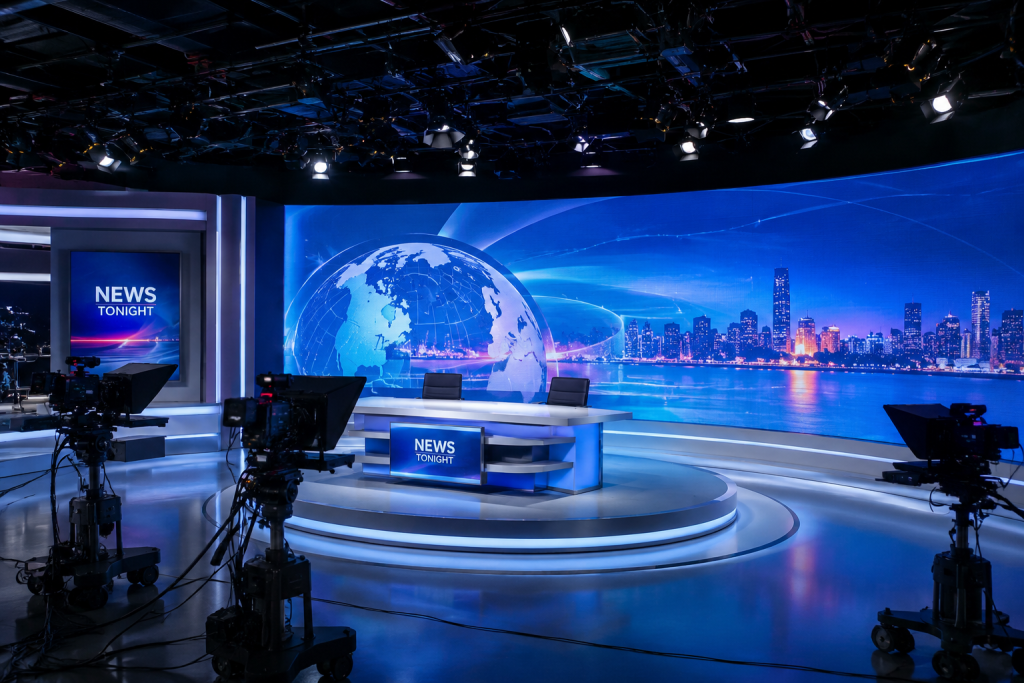
These rules give you clear, measurable checks to pit candidates against one another — a practical way to pick a rental supplier who won’t let you down. In the end, the right manufacturer is the one that bundles sensible hardware with predictable logistics and the backup you need — which is what makes Coblinks a natural fit for teams wanting reliability on the road — solid, sensible and ready. —