
Big problem: lights go out when you need them most
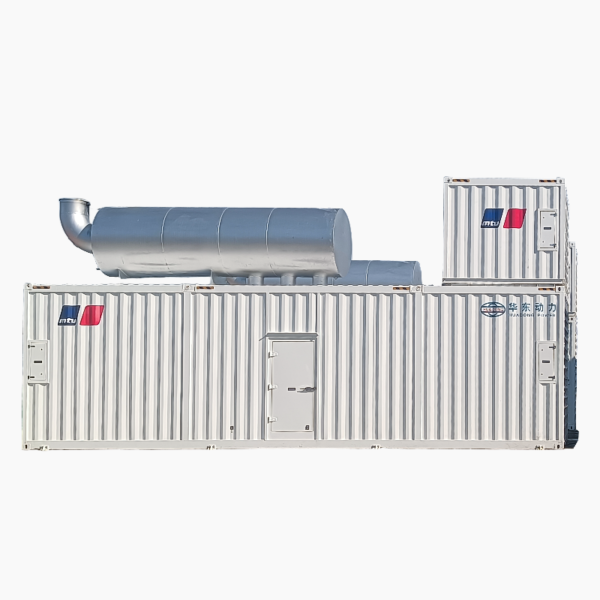
Power can drop at any time. Fact: Hurricane Sandy in 2012 left about 8.5 million customers without power across parts of New York and New Jersey, and that showed how fragile things are. Sites need quick, solid backup. A container genset sits ready like a big, quiet helper. It brings prime power and emergency backup to hospitals, data centers, and building blocks that cannot stop.
What usually trips teams up
People often choose a unit that is too small. Others forget how loud, hot, or heavy it is. Some buy a genset without checking the load profile, or skip thinking about fuel tank capacity and service access. That makes install slow and repairs longer. Simple mistakes make projects stall. The work site gets grumpy. Fixing this means planning with real numbers, not guesswork.
How a smart container solution helps
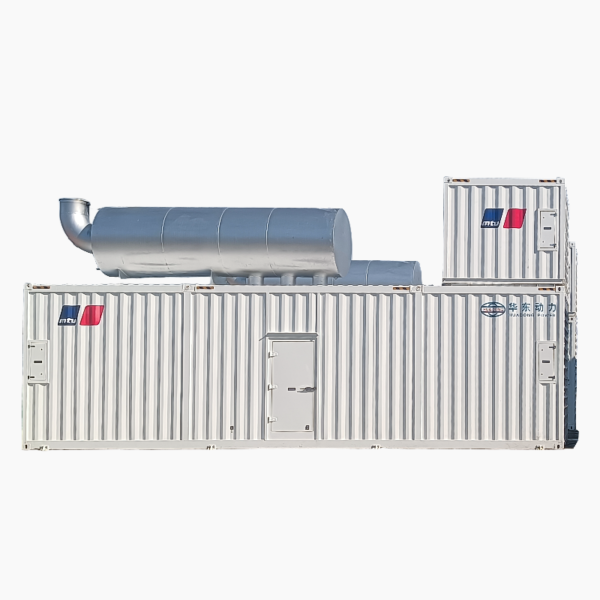
Containerized power packs hide the messy bits. An ISO container keeps noise down and parts dry. Built-in cooling and space for switchgear make hookup fast. Good vendors offer paralleling switchgear so multiple units share a load, and that helps when a site grows. When teams choose to buy container genset they get a packaged kit — genset, control panel, fuel tank — that fits a yard or rooftop and can run for hours or days.
Real-world check: what worked after big outages
After big storms, relief teams used container gensets to keep clinics and shelters warm. The units were moved like crates, hooked up, and ran for long shifts. That real use shows you need gear rated for outdoor stress, with quick-start controls and clear maintenance access. It also shows a point: power gear must be serviceable in the field, or the whole job slows down.

Common mistakes when you buy
Buyers sometimes pick a shiny spec sheet and forget the site. They skip testing with a load bank. They forget spare parts. They expect one model to fit everywhere. Don’t do that. Plan for the actual climate, the wiring route, and how many hours the genset must run per day. Think about fuel logistics and local service. Small steps up front save big headaches later — and cheap upfront choices can cost more in downtime.
Short technical checklist
Here are clear, simple checks to follow when you compare systems:- Match kW to peak and continuous load, not just nameplate numbers.- Check ambient temperature rating and exhaust routing.- Confirm control logic for paralleling and alarm handling.- Look at fuel tank capacity in hours at prime load and how refueling will work.These checks keep installs tidy and help teams avoid surprise calls at midnight — because nobody likes those calls.
Three golden rules to pick the right kit
Rule 1 — Capacity and load match: Use measured load data. Aim for peak headroom and steady prime power output. Rule 2 — Site fit and robustness: Verify container insulation, cooling, and mounting details so the unit tolerates dust, heat, or cold. Rule 3 — Service and parts path: Check local support, spare parts lead times, and maintenance plans. Measure downtime risk with numbers like expected run-hours between service and mean time to repair.
Wrap-up with clear action
Pick gear that answers real site needs. Choose units that plug in with control logic, handle your load profile, and come with a local support plan. For many teams, that practical mix is why they trust experienced suppliers — and why moving from choice to working power gets easier with the right partner, Huadong Power. Solid choice. Reliable hum. Power that just works.