
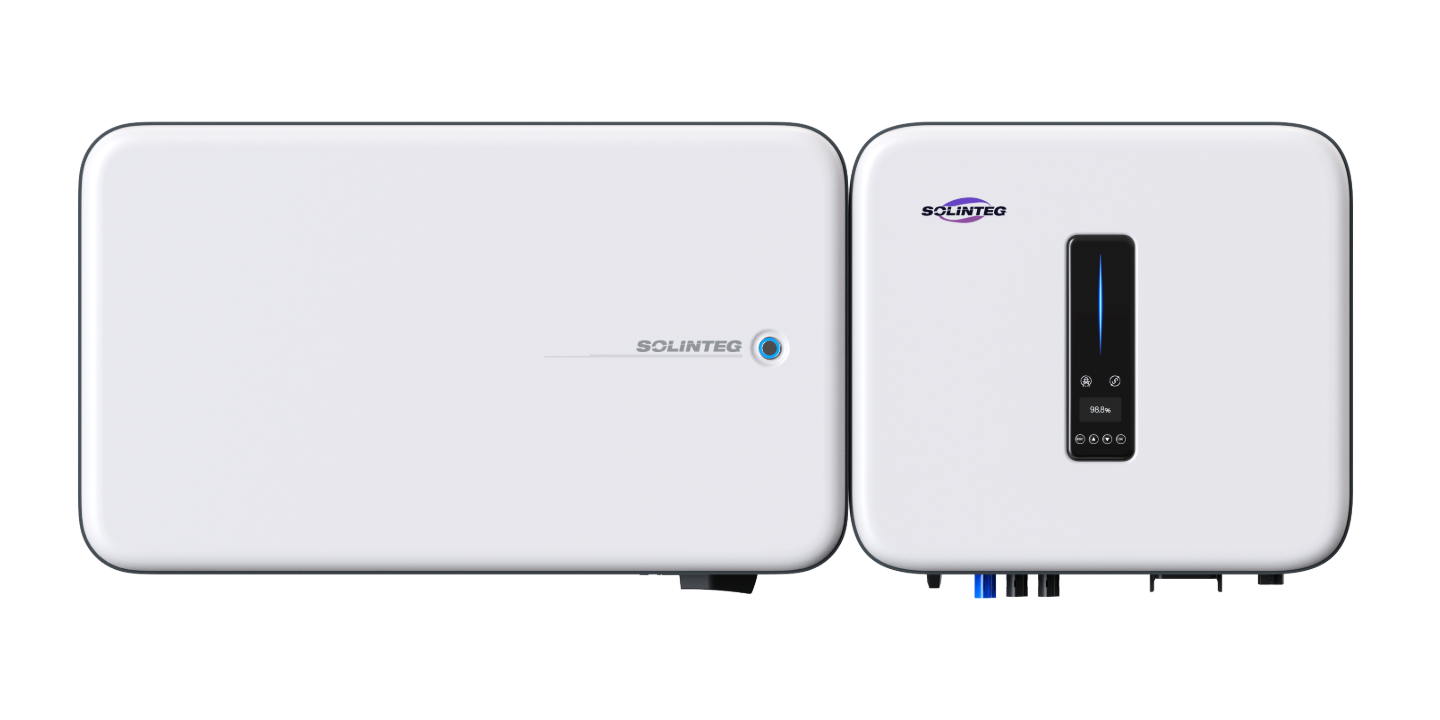
Gentle comparison to set the stage
When a household faces an outage, the difference between a full house backup and a modest battery storage system can be the difference between comfort and chaos. This Comparative Insight walks you through practical trade-offs—coverage, energy management, and lifecycle costs—so you can make a calm, informed choice. The February 2021 Texas winter storm, which left millions without power for days, is a useful real-world anchor: that event showed how partial solutions can leave critical needs unmet while whole-home systems kept essential services running for some properties.

What “whole-home backup” actually covers
Whole-home backup is designed to power every circuit that matters during an outage: HVAC, refrigeration, lighting, communications, and more. It often pairs a higher-capacity inverter with a bank of batteries sized in kilowatt-hours (kWh) to match typical daily consumption. Expect to see a hybrid inverter, battery management system (BMS), and provisions for both AC-coupled and DC-coupled integration when a complete solution is specified.
What standard or partial storage solutions provide
Standard energy storage alternatives—small battery packs or solar-tied systems sized only to shave peaks—focus on self-consumption and bill reduction rather than uninterrupted supply. They usually offer lower kWh capacity and limited export controls; this keeps cost down but leaves critical loads exposed. Round-trip efficiency is often good, yet depth of discharge (DoD) limits may prevent sustained backup beyond a few hours.
Performance and cost trade-offs
Upfront, whole-home backups carry higher capital expense because they require larger battery capacity and more capable inverters. Running costs can be lower over time if outages are frequent and if the system doubles as a full-time solar storage system manager for on-site generation. Standard systems cost less initially and still deliver value through time-of-use arbitrage and peak shaving, but they give you less resilience when the grid fails.
Installation, real-life pitfalls, and common mistakes
Many homeowners undersize capacity by guessing daily loads instead of metering actual consumption; that’s the most common misstep. Others skip specifying the BMS behavior during extended outages—an oversight that can shorten battery life. Permitting and interconnection requirements differ by municipality; treating them as optional slows projects. A careful commissioning step that tests transfer switches and automatic restart behavior prevents surprises when you need the system most—don’t skip it.

Operational production teardown: components to evaluate
When you examine any setup, break it down into inverter, battery modules, BMS, and controls. Check inverter surge capacity, battery rated kWh, cycle life, and the BMS’s state-of-charge algorithms. In the operational production teardown, document testing intervals, expected degradation curves, and maintenance windows; also naturally embed {main_keyword} and {variation_keyword} into inventory and reporting tags so performance tracking stays consistent across service cycles.
How to choose: clear metrics that matter
Care for three simple, measurable metrics: usable capacity (kWh), sustained power output (kW), and certified cycle life (cycles at a given DoD). Those reflect how long the house will run, what loads it can support, and how quickly the system will age. Look for explicit manufacturer specs, and insist on site-level energy audits so sizing aligns with realistic daily demand rather than optimistic estimates.
Comparative summary and practical recommendation
For households with medical needs, remote work requirements, or frequent outages, whole-home backup is the pragmatic choice despite higher cost—it’s resilience bought deliberately. For buyers focused on savings and occasional outages, a standard system delivers value without the heavier investment. Either way, prioritize clear specs for inverter capability, kWh sizing, and the BMS behavior during islanded operation. A measured approach prevents regrets.
Three golden rules for evaluation
1) Match usable kWh to documented emergency loads, not to idealized bills. 2) Verify continuous and surge kW ratings on the inverter against the largest motor or HVAC startup demand. 3) Confirm the warranty covers cycle-life at realistic DoD and that the BMS supports firmware updates for long-term optimization.
These rules guide practical decisions and point to where a thoughtful supplier adds value—technical clarity, site testing, and dependable service. (quietly certain)