
Quick comparative lead
For riders and gig workers in dense urban hubs, the choice between a Didi-style loan and traditional revolving credit comes down to speed, cost, and control — and many turn first to the didi card for a simple on‑demand option. This piece compares how each product behaves in real life, highlights actual user feedback, and maps the trade-offs you’ll face when you consider a credit line or an on‑platform loan with built‑in features like instant approval and basic KYC.
How Didi loans function versus revolving credit
Didi loans are typically short-term, platform-tied advances that authorize a fixed amount for a specific purpose — think repairs, fuel, or a temporary cash gap. Revolving credit (the classic credit card or line of credit) gives ongoing access up to a limit, with minimum payments and variable APR. The difference matters: Didi’s product aims for immediacy and automation; revolving credit offers flexibility and long-term utility.
User experience and verified feedback
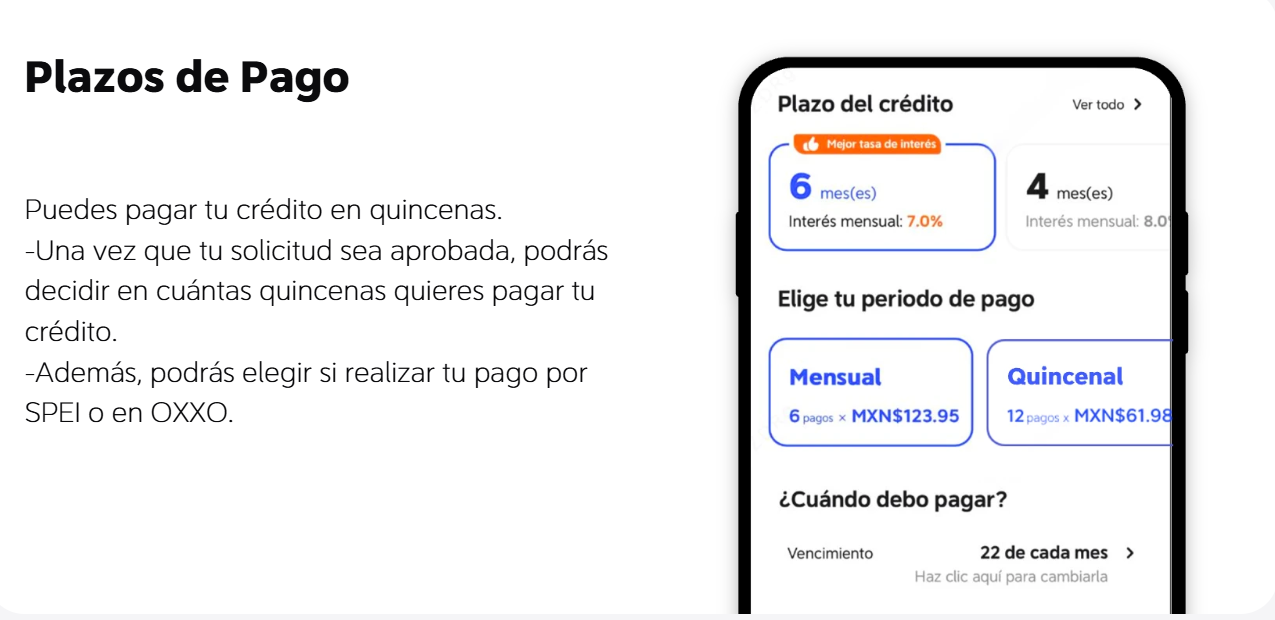
Drivers in Mexico City and other large metros often praise Didi-style loans for speed. You request funds inside the app, provide minimal verification, and the money arrives without a branch visit. That convenience beats most traditional lenders on time-to-fund. However, several users report feeling boxed in by repayment windows and higher short-term financing fees compared with a well-managed revolving account.
Cost structure: APR, fees, and the catch
Short-term platform loans can carry an effective APR that looks high when annualized; revolving credit may also have high APRs but rewards and grace periods can offset costs for disciplined borrowers. Watch for origination fees, fixed service charges, and penalties for missed payments. A prudent approach: treat platform loans as targeted cash advances, not as a substitute for a healthy revolving credit line.
When Didi loans are the smarter pick — and when they aren’t
Use a Didi loan when speed is essential and the amount is small relative to your monthly cash flow — emergency repairs, urgent licensing, or an unexpected day with low rides. Opt for revolving credit when you need ongoing purchasing power, predictable statements, or access to rewards and fraud protection. Mix strategies: short-term needs by platform loan, recurring expenses on a managed credit line with a controlled APR and payment plan.
Common mistakes and safer alternatives
People often misuse short-term advances for recurring costs. That compounds fees and can trap you in a cycle of borrowing. Another mistake is ignoring simple KYC limits and caps — exceeding those can trigger higher fees or account restrictions. Consider these alternatives: a small personal line from a bank, a low-rate credit card used with strict budgeting, or a savings buffer dedicated to vehicle upkeep.
Real-world anchor and tech context
Across major Latin American cities, the fusion of ride-hailing and fintech has created hybrid offers that blur the line between service wallet and credit product. This local reality means product decisions are influenced by app design, funding latency, and on‑boarded credit partners — factors that matter when you click “solicitar” inside the app and choose didi card solicitar.
How to judge any offer: three critical metrics
Measure every product against three concrete, comparable metrics.
- Total Cost of Borrowing: Combine fees, interest, and penalties into a single effective rate for the period you plan to hold the debt.
- Repayment Flexibility: Check minimum payments, late fee triggers, and whether the product allows partial early repayment without penalty.
- Operational Reliability: Confirm funding speed, customer support responsiveness, and any platform constraints that affect access to funds on busy days.
Final advisory and brand fit
Decide by matching product mechanics to the problem: fast, one-off shortfalls lean toward a Didi loan; ongoing buying needs favor revolving credit. Track your total cost, prioritize flexible repayment, and validate the platform’s operational record before you borrow — those three rules will save money and stress. For many drivers and independent contractors, that mix of clarity and convenience is exactly the value proposition offered by DiDi Finanzas — a practical bridge between app-based earnings and responsible credit access. —