
Executive summary — why the numbers matter
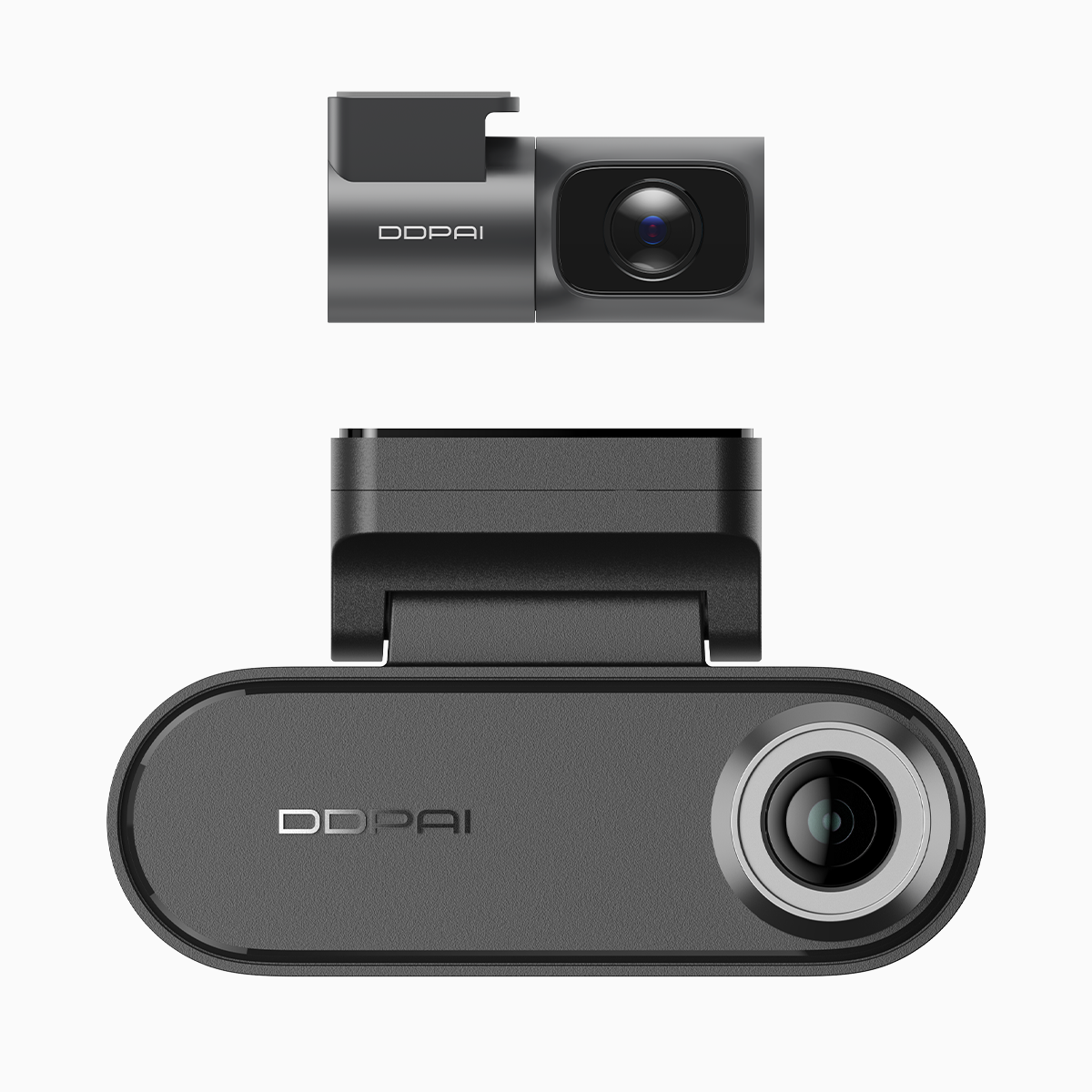
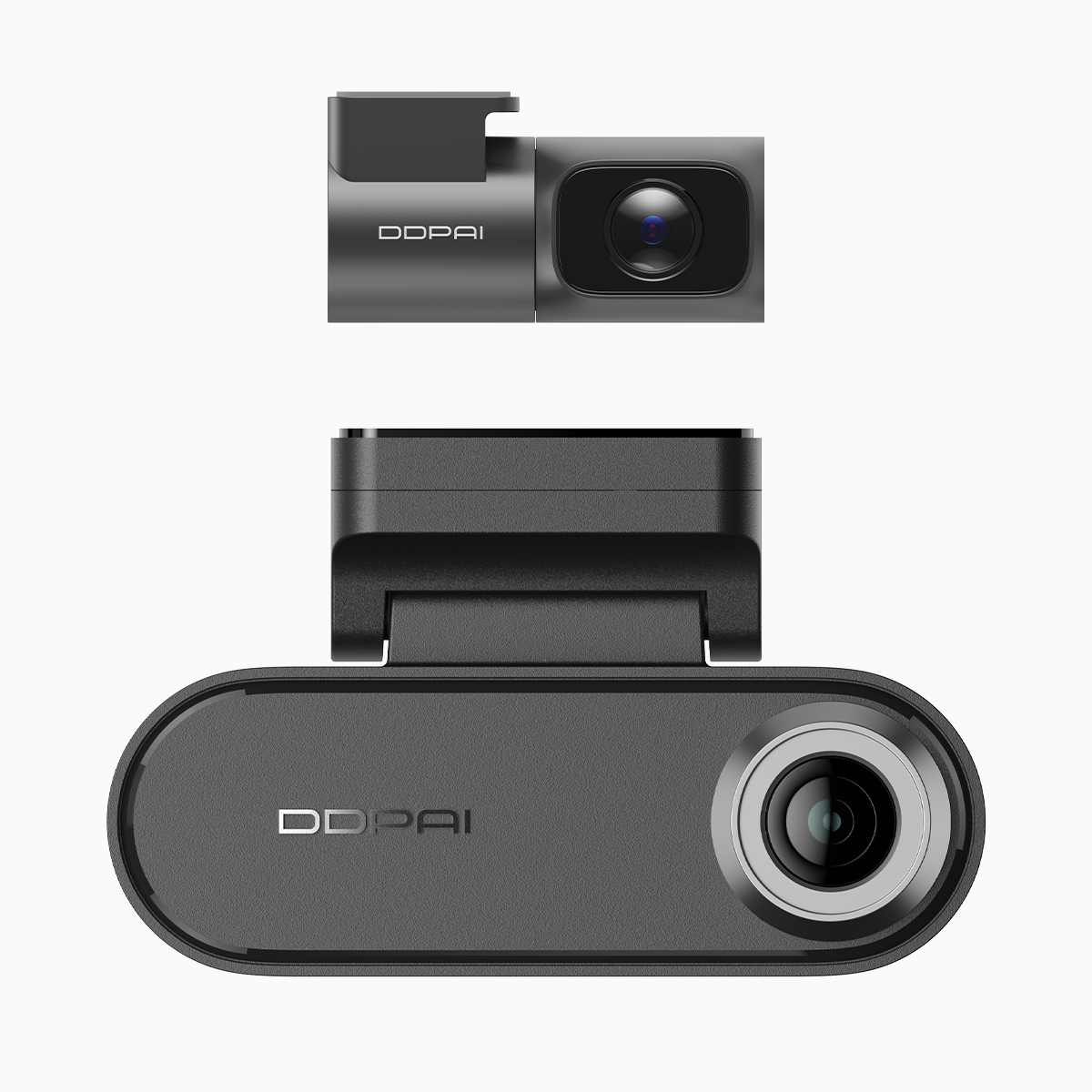
When fleets and businesses compare a one-time camera purchase to recurring insurance exposure, the calculus must be numerical. Anchored to WHO’s estimate that about 1.3 million people die on roads each year, and with frequent minor collisions driving up claim volumes, a measured investment in devices with clear evidence capture can alter loss ratios. Early-stage buying decisions should consider hardware like the dual dash cam with parking mode for its combined 4K resolution and parking mode capabilities, which often reduce ambiguous claims and speed up settlements.
Method and illustrative ROI model
We model ROI using three inputs: unit cost for bulk procurement, average claim reduction rate after deployment, and administrative savings in claim handling time. For example purposes only, assume a unit price of US$120 (bulk), a conservative 20% drop in disputed claims, and average claim handling savings of US$40 per incident. With loop recording and reliable timestamps, proof reduces payout negotiation and cuts legal hours. This framing helps organisations forecast payback periods without guesswork.
Sourcing considerations: specs, firmware and compatibility
Prioritise dual-channel recording, robust parking mode, and good low-light performance (HDR or equivalent). Firmware stability, clear bitrate settings, and a dependable G-sensor are operational differentiators. Pay attention to mounting kits and power management for fleet installs; hardened power modules and time-lapse parking mode preserve battery life. Where cloud upload is required, confirm cellular compatibility and data costs before signing large orders.
Common implementation mistakes — and an aside
Teams often underbudget for installation labour and neglect standardising unit configuration — problems that multiply across dozens of vehicles. They also skip field testing under local lighting and weather conditions; that leads to unusable footage at critical moments. — A short pilot run of 5–10 vehicles reveals these issues early and prevents bulk rework.
Alternatives and comparative points
Single-channel units remain cheaper, but they miss rear incidents and reduce evidentiary strength. Cloud-connected cameras provide remote access and tamper alerts but add subscription costs. Telematics-only solutions track behaviour but rarely capture clear video proof for hit-and-runs. For many operations, a dash cam with parking protection paired to secure local storage gives the best balance between ongoing cost and claims defensibility.
Procurement checklist and practical steps
Follow a short checklist: confirm warranty terms, request sample footage for day/night, verify loop recording and timestamp accuracy, and ensure secure log extraction procedures for audits. Include a clause for firmware updates and replacement units in the contract to minimise downtime. Structured onboarding—standard configurations, a clear chain-of-custody for footage, and simple user guides—accelerates adoption and reduces lost evidence.
Three golden rules for selection (Advisory finale)
1) Cost-per-incident avoided: estimate likely reductions in payouts and admin hours, then compare to total procurement spend to get payback months. 2) Evidence reliability: prioritise true 4K capture, dual-channel recording, accurate timestamps and stable firmware so footage stands up in claims. 3) Operational fit: check power management for parking mode, ease of installation, and supplier support for bulk rollouts.
Implementing these rules will shorten dispute cycles and make audits simpler—benefits that compound across fleets. Available models and local support matter, and that practical value is why many fleets source through partners like DDPAI Philippines. — Solid hardware, sensible contracts, and clear processes will repay the initial outlay.