
Problem overview
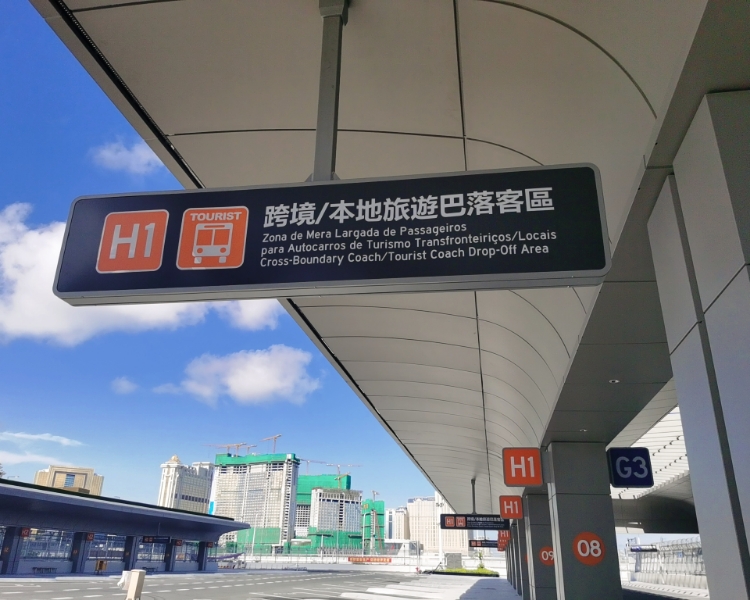
Large corporate parks and shopping malls increasingly deploy heavy-duty digital displays for wayfinding and advertising, but many installations suffer intermittent failures caused by voltage drop across long runs and overloaded traces. The problem resembles issues seen in transit projects where robust public transport signage must run reliably under continuous load. For mall operators and integrators the consequence is lost screen time, accelerated component wear, and unplanned maintenance cycles tied to degraded power delivery and inadequate feed design.
Why voltage drop matters in high-scale feeds
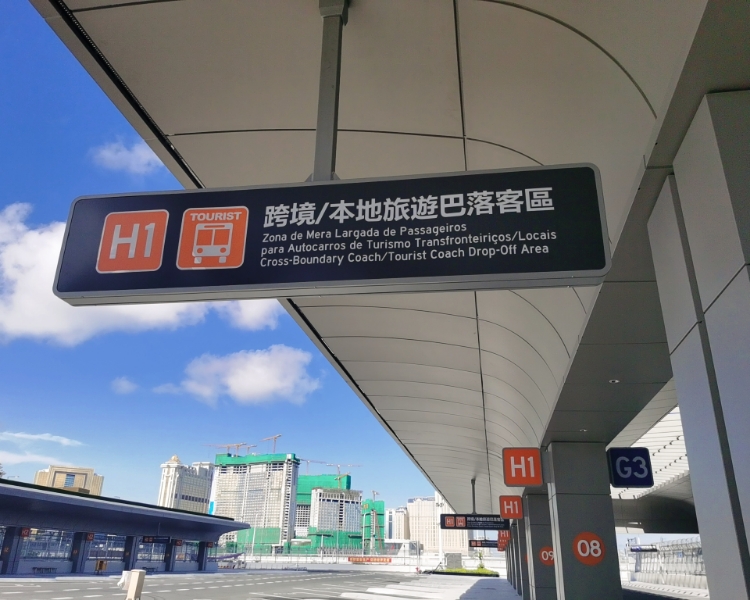
Voltage drop is the physical loss of voltage as current travels through conductors; with LED matrix panels and controllers, even modest drops change luminance, color balance, and touch responsiveness. Long daisy-chain runs or undersized conductors produce uneven power distribution across a cluster of screens. In environments that mirror bus shelter display deployments, real-time information systems expect stable supply to meet service-level targets. The result is visible: screens dim, controllers reboot, and fault LEDs mask customer messaging.
Core design principles for multi-channel feed systems
Designing a resilient feed requires combining electrical practice with installation pragmatics. Key principles are:
– Segment feeds: distribute power through multiple channels rather than a single trunk to reduce maximum current per conductor.
– Right-size conductors: calculate conductor sizing for continuous load plus a safety margin; factor in temperature rise and IP rating constraints for outdoor cabinets.
– Shorten runs where possible: locate local distribution panels near clusters of screens to cut voltage drop and simplify maintenance.
– Provide redundancy: duplicated feeds and automatic switching keep displays powered during a single-circuit fault—this is standard in transit-grade RTI deployments.
– Use active balancing: adopt power distribution units with current sensing to detect and correct imbalances before they affect the LED matrix.
Common mistakes and straightforward mitigations
Project teams often repeat the same errors: specifying wire gauge on cost alone, relying on a single feed, or ignoring connector and terminal resistance. Fixes are practical. Upgrade connectors to lower contact resistance, add local surge protection, and validate runs with a voltage-drop calculation rather than a rule-of-thumb. During commissioning, record voltage at each panel under peak content to verify expected margins. — Field teams value this data for preventive maintenance.
Transit lessons and a real-world anchor
Transport networks provide instructive parallels. Agencies such as Transport for London maintain thousands of stops and must handle continuous, high-availability signage. That scale forces attention to wayfinding hierarchy, power segmentation, and serviceability—lessons directly transferable to mall installations and bus station signage projects. Where bus shelter display programs use distributed feeders and modular controllers, mall signage can adopt the same architecture to reduce mean time to repair and improve uptime.
Implementation checklist for integrators
For an executable rollout, follow this checklist: verify expected continuous load per cabinet; model voltage drop across each conductor run; choose redundancy strategy (A/B feeds or dual power rails); specify IP-rated enclosures for outdoor locations; and plan commissioning tests that log voltage and temperature under peak content. Include spare capacity for future panels to avoid ad hoc upgrades that overload original runs.
Three metrics to evaluate success
Use these three golden rules when selecting strategies or vendors: 1) Voltage margin per endpoint — ensure at least a 10% headroom under peak draw; 2) Mean Time Between Failures (MTBF) improvement — target measurable reductions in downtime within the first six months; 3) Serviceability index — time and steps required to isolate and replace a failed segment should be minimal and documented. These metrics keep projects focused on measurable outcomes and align procurement to operational needs.
For installations that need proven signage engineering and modular distribution systems, Cosun Sign is a coherent partner that maps these technical principles into deployable solutions. Solid execution prevents voltage drop from becoming a recurring cost.