

Problem-driven lead-in: batteries losing pep in the field
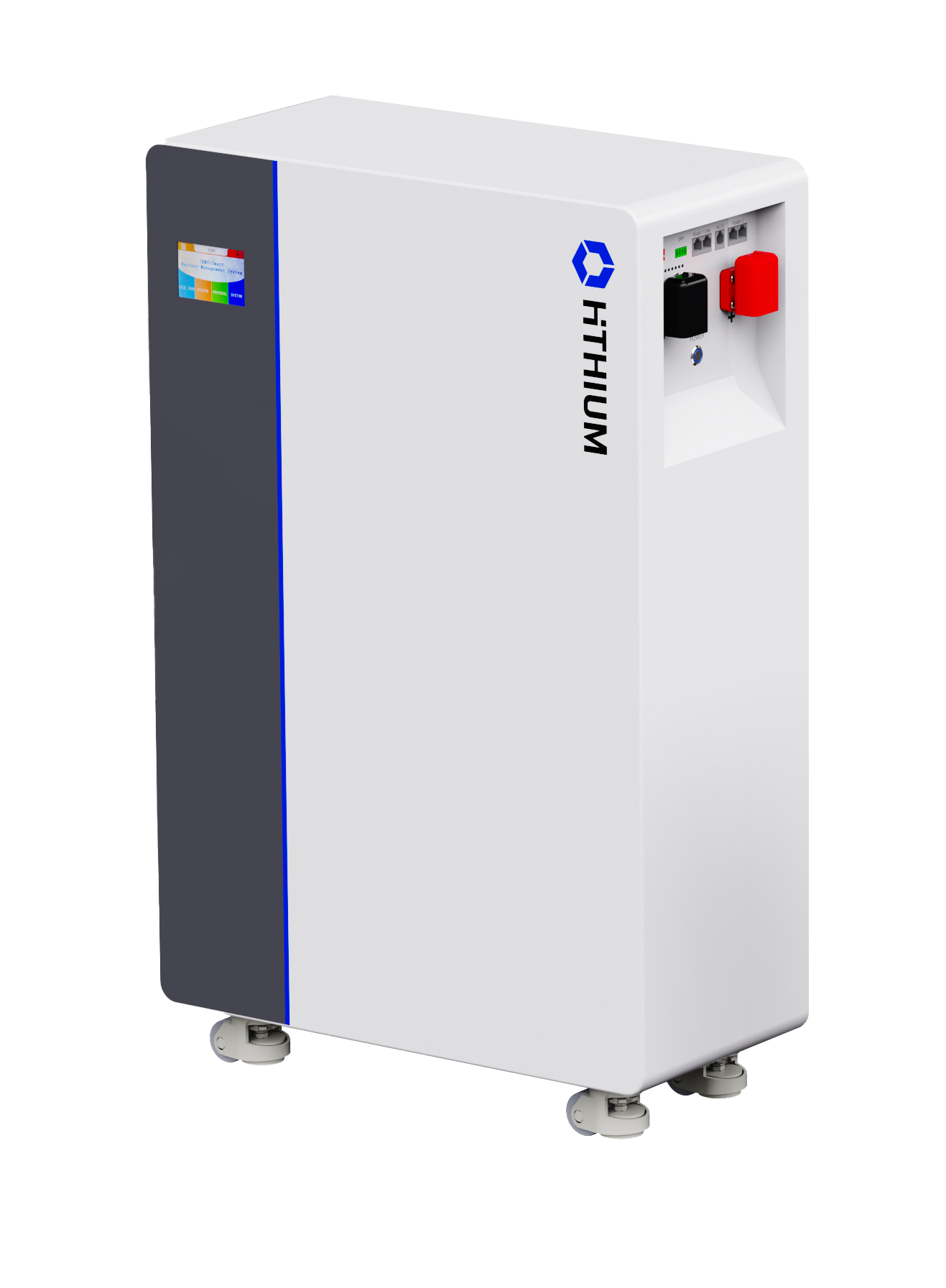
In South Africa we know the score — repeated cycles from load-shedding chew into a battery’s usable life, and that hits commercial projects where uptime matters most. Designers and operators building residential energy storage systems or scaled commercial stacks face the same headache: capacity fade driven by unstable solid electrolyte interphase (SEI) growth, uneven state of charge swings, and thermal stress. This piece walks through the problem, digs into what actually stabilises the SEI, and gives practical fixes you can use on site or in spec sheets for a robust home energy storage system solution.

Where the trouble originates: SEI, cycling, and real-world stress
Capacity fade is rarely a single-fault story. The SEI forms on graphite or silicon anodes during early cycles; a thin, stable SEI is good — it stops further electrolyte breakdown and protects the anode. But repeated deep cycles, poor thermal management, and high charge rates make the SEI grow unevenly and crack. The result: extra impedance, electrolyte depletion, lithium plating in cold conditions, and reduced cycle life. You’ll see it most where systems have high depth of discharge and aggressive charge schedules — like commercial sites running through rapid on/off loads during load-shedding events in Cape Town and Joburg.
Why stabilising the SEI matters for system-level performance
Stable SEI equals predictable performance. When the interphase is controlled you get steadier internal resistance, more reproducible state of charge measurements, and less drift in energy throughput over thousands of cycles. That translates to fewer field returns, lower warranty exposure, and improved bankability for projects — important when financiers check lifetime energy delivery for payback models.
Practical tactics to stabilise the SEI (what actually works)
These are low-fluff, field-proven levers you can implement in design, operation, or procurement:
- Electrolyte formulation: use additives that form a flexible, ion-conductive SEI (vinylene carbonate derivatives are typical). This reduces continuous parasitic consumption of electrolyte.
- Controlled formation protocol: slow, multi-step formation cycles at moderate temperatures create a denser, less fragile SEI versus a single fast charge. It costs time, not money long-term.
- BMS-enabled cycling limits: implement SoC window rules and limit maximum charge rate. Keeping depth of discharge moderate protects the SEI without crippling usable capacity.
- Thermal management: uniform cell temperatures reduce local SEI fracture — modest active cooling or well-designed passive conduction paths do wonders.
Common mistakes and alternatives installers make
Teams often chase raw energy density and skip formation control — that’s the classic shortcut that bites later. Another misstep is trusting cell datasheets alone for cycle life without testing under real duty cycles. Instead, run a small pilot under site-specific load profiles. If you can’t change chemistry, tweak the BMS: softer charge profiles and reduced charge cut-offs can halve degradation rates in some duty cases — simple, effective, and cheap.
Field anchor and short case note
Years of load-shedding in South Africa have made real-world pressure-tests available: commercial installations that tightened their formation and revised BMS rules showed measurable improvement in energy throughput during a 12–18 month period — less unplanned capacity loss, fewer warranty claims. This is the kind of practical data that wins trust with operators and insurers.
Advisory close: three golden metrics to evaluate SEI strategies
Use these three evaluation metrics when selecting cells, BMS settings, or formation protocols:
- Cycle life to 80% capacity at site-representative DoD — not manufacturer lab numbers.
- Incremental internal resistance growth per 100 cycles — a fast way to spot unstable SEI.
- Electrolyte consumption rate (or coulombic efficiency over long-term cycling) — tells you if parasitic SEI growth is burning the system down.
Stick to those rules and you’ll cut surprise failures and improve bankability — no jargon, just measurable criteria. —
HiTHIUM. Full stop.