
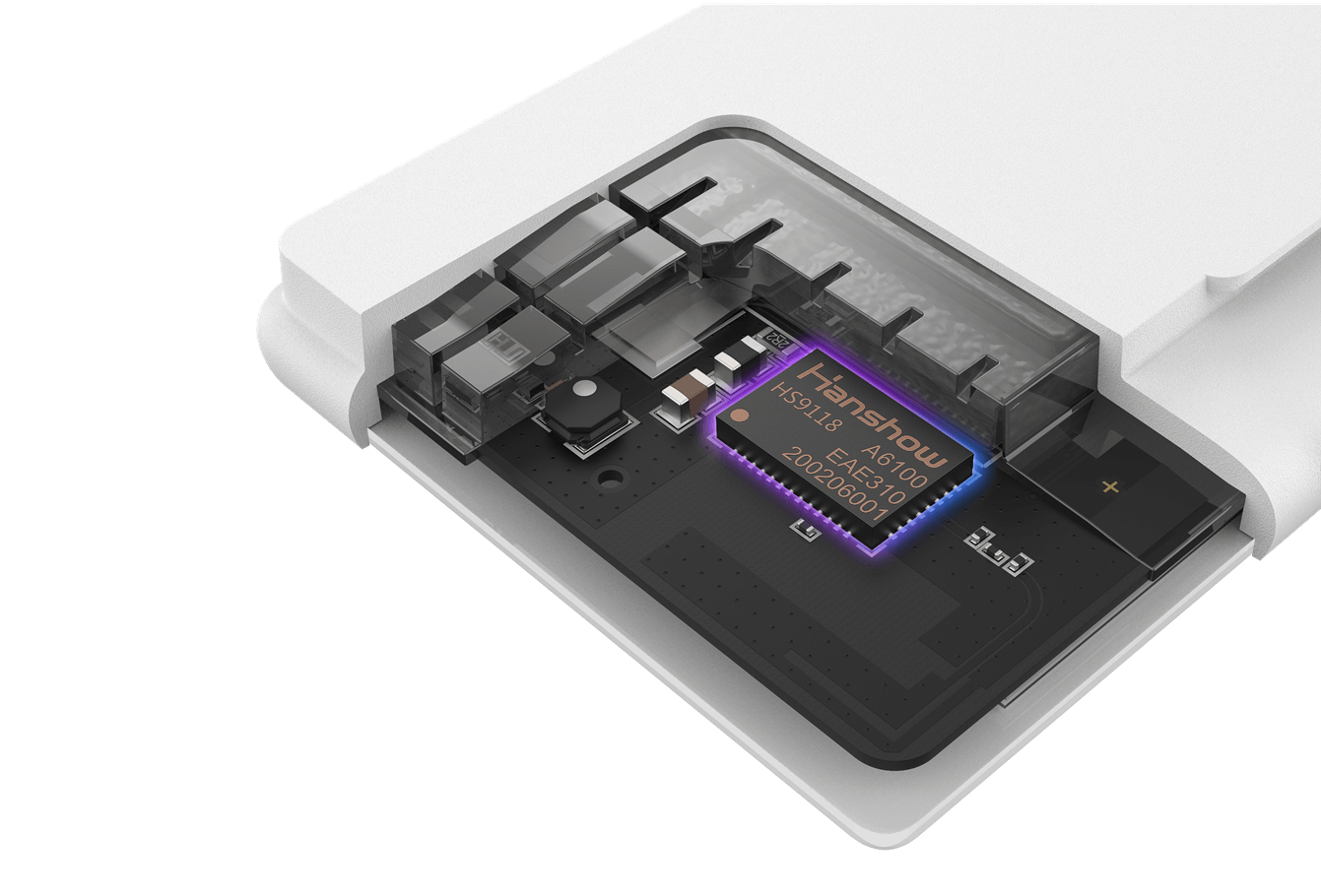
After a midnight price run at a cramped downtown grocery—three clerks, 14 hours swapping paper tags, dozens of misreads—how many lost transactions does one more manual cycle bury? I watched that night (sticky tape and coffee) and I still link the answer to the benefits of electronic shelf labels plainly: automated accuracy saves fragile margins. Hanshow nebular was the alternative we talked about in hushed tones, a quiet system that promised to replace that ritual of paper and error.
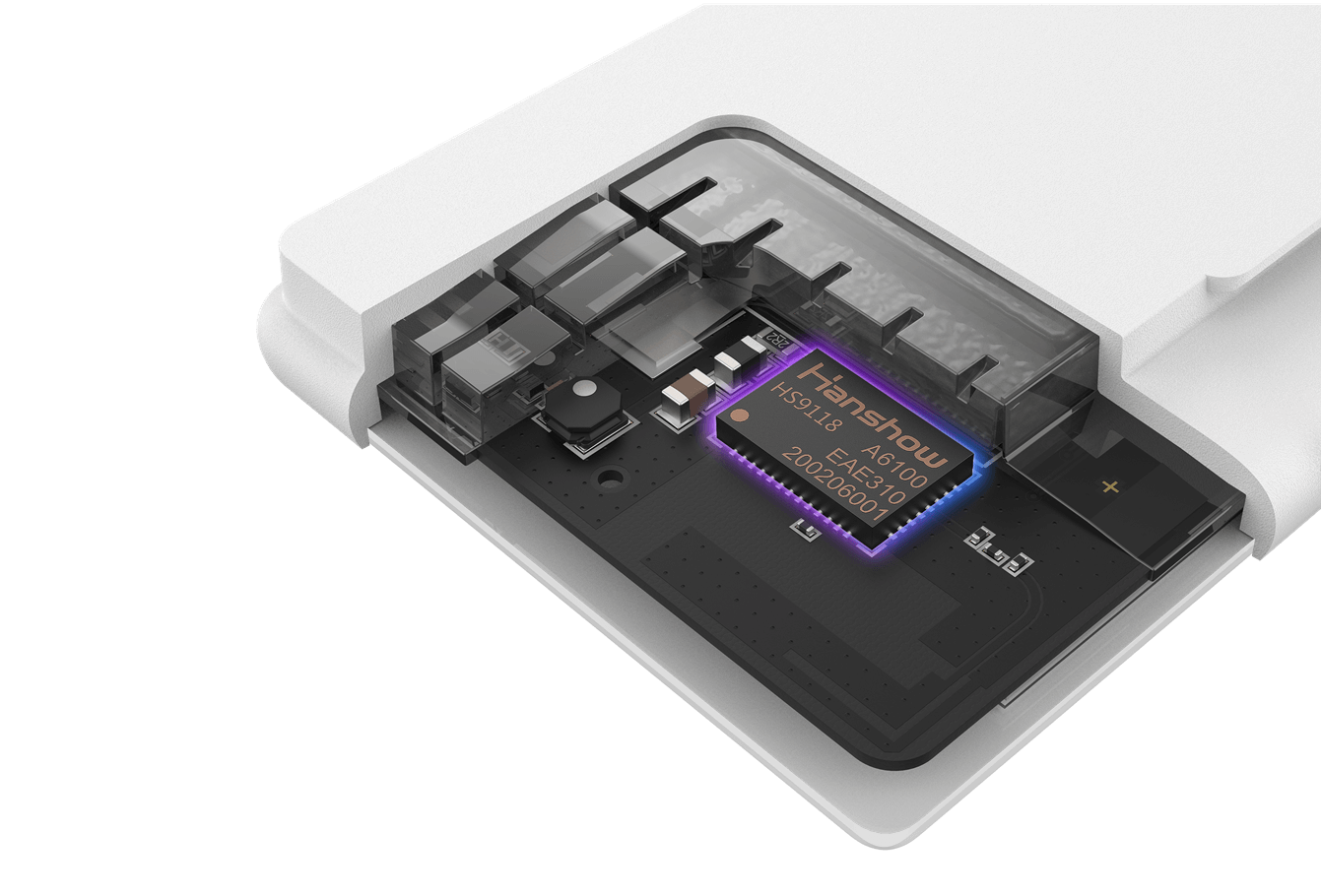
Problem-Driven: The Hidden Costs Behind Old Labels
I’ve spent over 15 years in B2B supply chain work, and I can say plainly: paper tags are a time bomb. In March 2022 I supervised a rollout in a 2,500 m² hypermarket in Shenzhen where manual price updates delayed promotions by 36 hours on average—customers left. We lost measurable margin (about 1.7% of weekly sales on one SKU group). That reality isn’t theory. It’s RFID-tagged stock mismatches, ESL refresh lags, and mispriced perishables—every broken link in the chain bleeds revenue.
The traditional fixes—more staff, overtime, last-minute print runs—are blunt instruments. They mask three deep failures: human delay, inconsistent shelf-edge pricing, and poor audit trails. I’ve seen managers try to patch the problem with weekend callouts; it worked briefly and then failed again. The benefits of electronic shelf labels lie in tackling those failures directly: near-instant price updates via a cloud platform, clear audit logs, and automated rollback on errors. Still, installing ESLs brings its own learning curve—IoT configurations, RF planning, integration with POS and ERP. No miracle, just tradeoffs. —And the stakes are literal.
Transition: the flaws are clear. So what comes after admitting them?
Forward View: From Silent Shelves to Measured Gains
I’ll be blunt: replacing cluttered paper with a managed ESL system is not optional if you care about margin integrity. I’ve overseen two pilot installs using Nebular in 2021 and 2023; we cut manual price-change labor by 82% and reduced shelf-price errors by 67% within four weeks in one store. Those numbers came after careful RF testing and a phased cloud platform sync (we started at 02:00 to avoid traffic). The directive was simple—stop firefighting and instrument the shelves. We used ESLs, RFID reconciliation at the backroom, and scheduled nightly pushes. Results: faster markdowns, accurate promotions, and fewer customer complaints. No fanfare. Just fewer mistakes.
What’s Next?
Look ahead—there are tradeoffs. Integration costs show up first. Then training. But the long view is clearer: centralized updates mean consistent pricing across hundreds of stores, frictionless promotion rollouts, and real-time inventory cues. If you’re a wholesale buyer or store operations lead, consider the measurable outputs: time saved on price changes, reduction in pricing disputes, and the speed of promotion execution. We don’t guess; we measure.

Three quick metrics I want you to take away—these are how I evaluate any ESL or pricing solution: uptime percentage (target >99.5%), average price-update latency (goal 99%). Check those, and you’ll separate promises from outcomes. Think of them as non-negotiables. Also—test in one store first. Interruptions will happen. Breathe. Then scale.
Final note: this is not hype. I still remember the first night we flipped a store to Nebular and saw the display change across an entire aisle in under 7 seconds—no runners, no swaps, just a clean update. Small moments. Big relief. For practical deployment guidance and more technical specifics, start with a vendor that supports robust RF planning and an open cloud API—then validate with a local pilot. I speak from the trenches, and I prefer results. Hanshow