
Where the Work Really Starts: A Direct Look on the Line
I’ll be blunt: the buying decision lives or dies on what happens between slurry and shipment. I’ve spent over 15 years in the B2B energy storage supply chain, and the most telling moments happen before sunrise—when the floor is quiet and the data is loud. Energy storage battery companies love a glossy spec sheet, but the truth hides in yield maps and traceability logs at the energy storage battery factory. In June 2023, I walked a prismatic LFP line in Xiamen at 5:30 a.m.; the OEE board showed 88%, scrap sat at 0.27%, and formation was running 60 minutes per 3.2V 280Ah cell step. That tiny scrap delta? It was costing $160,000 weekly at 30 MWh/day throughput—one shift of drift, and purchasers pay for it months later in field swaps.
So what do we compare when two quotes look “the same”? I look at the weld cameras, the inline X-ray coverage, and whether edge computing nodes are filtering defects in real time. I care if the BMS test rack can detect SOC drift below 1% over 24 hours—because a loose pack spreads pain to power converters and service crews. I still remember a Saturday in September 2022, standing by a DC combiner box in Nevada, watching a contractor fight a derate caused by mismatched DCIR bins. It wasn’t pretty (and it was preventable). This is why we line up factories side by side and judge how they build, not just what they promise—now let’s put the methods under the same light.
The Hidden Costs of Old-School Builds
Where do the losses creep in?
Here’s the part many teams miss: traditional lines often push problems downstream. At a legacy energy storage battery factory, paper travelers still trail pallets, and QC is mostly offline. That leaves blind spots. Without inline impedance checks and laser seam inspection, DCIR spreads widen, and the pack has to work harder to deliver the rated C‑rate. Power converters then mask the issue with conservative limits—until warm weather and high load expose it. I prefer plants with edge computing nodes at critical stations, where the system flags weld porosity or tab misalignment before cells leave the bay. No drama, no heroics, just fewer faults escaping. On a 2.5 MWh container, this alone can trim derates by 4–6% in the first summer.

Thermal management tells another story. Old builds lean on generic spacers and limited thermal runaway barriers; the result is uneven temperature across racks and a jumpy SOC algorithm. The BMS fights noise instead of managing risk. I’ve seen SOC drift hit 3% overnight during cold storage in Shandong—then spike to 5% after a fast charge, confusing the EMS dispatch. Look, I’m not asking anyone to buy a spaceship; I am asking for proven cell sorting, traceable busbar torque values, and formation profiles that match the chemistry. When these get sloppy, warranty claims rise, site uptime falls, and your field techs spend their weekends chasing phantom alarms—exactly what we pay to avoid.
Comparative Lens on What’s Next
Real-world impact
Let’s compare principles that actually change outcomes. New lines pair dry rooms at −60°C dew point with laser stacking and continuous tab welding; they add inline X‑ray and acoustic sensors that catch defects you’ll never see with a final lot test. Digitally, a modern MES ties every cell’s QR to its formation curve, DCIR bin, and weld images. When a pack pings a fault at site, you don’t guess—you pull a lineage report in minutes (not days). In 2022, a Suzhou upgrade I audited swapped manual tab welding for laser and moved to 100% image capture; formation retests fell by 1.8 percentage points, and container commissioning time dropped by 22 hours on average. The same approach in a Nevada rollout trimmed balance‑of‑system wiring by 7% through better rack harness standardization—one change, fewer surprises.
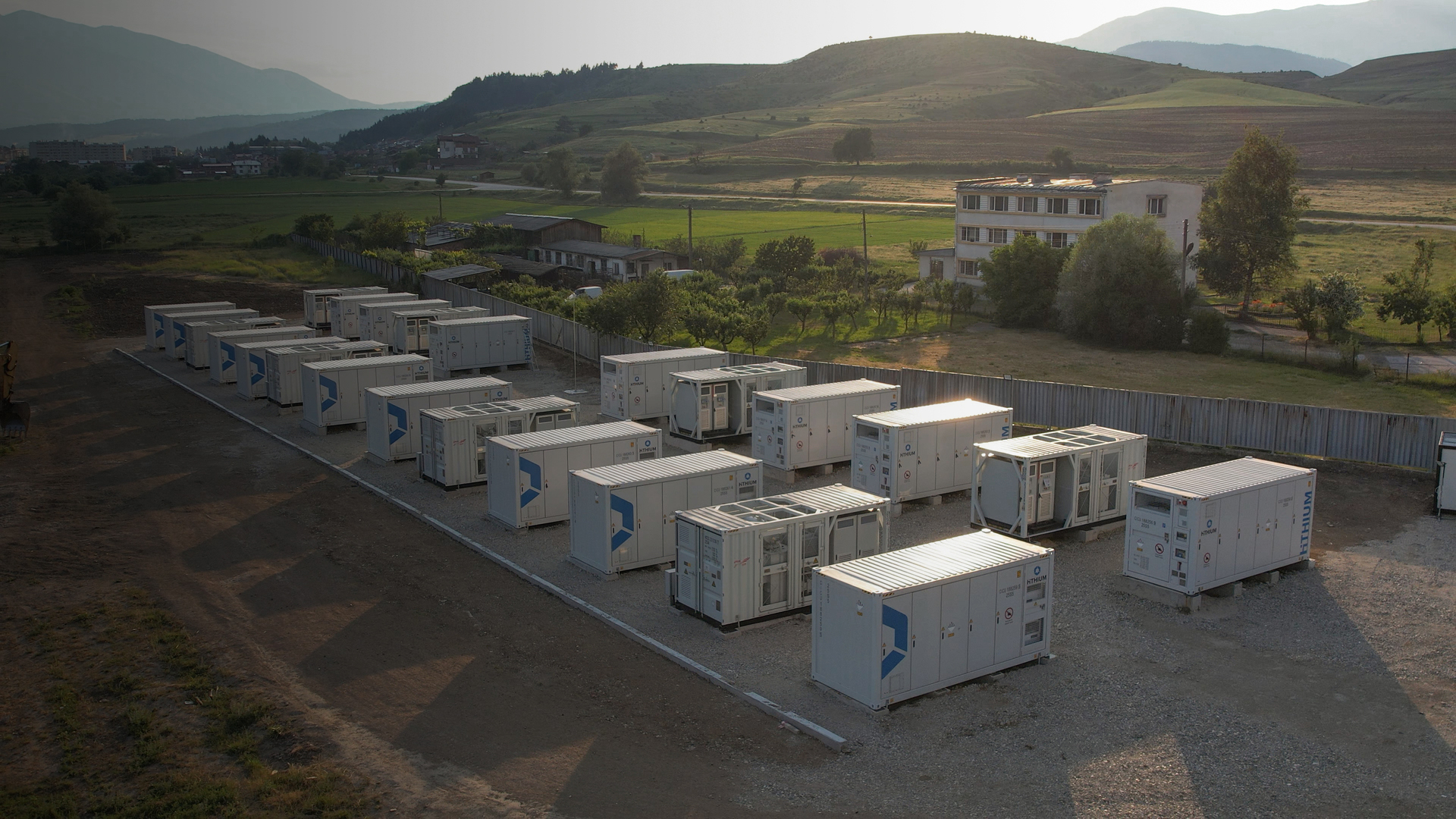
This isn’t theory; it’s a way to buy with precision. When an energy storage battery factory proves DCIR matching within 1.5%, you get cleaner current sharing and less stress on contactors. When thermal propagation tests show cell-to-cell isolation at 5 minutes or better, you gain real headroom for safety interventions. And when the EMS talks to pack controllers without noisy SOC drift, your power converters stop babysitting and start delivering. I’ve watched a 3.44 MWh LFP container with 10,000‑cycle cells hold a 1.5C charge window at 25°C—because the upstream build was clean. Small inputs, big dividends—funny how a tighter process lets people sleep.
If you need a decision framework, use three hard metrics: 1) traceability depth—can they retrieve weld images and formation curves by serial in under five minutes; 2) yield and moisture control—X‑ray coverage and dry room dew point correlated to first‑pass yield, not just a brochure number; 3) field response SLA—mean time to parts on site and a published root‑cause closeout time. Choose the factory that wins on these, even if the unit price is 2–3% higher. You’ll earn it back on uptime and fewer truck rolls, and your team will thank you when summer peaks hit. For those wanting a closer look at an operations‑first approach, I’ve seen steady, measurable discipline from HiTHIUM in the areas that matter most to grid operators and EPCs.