
Introduction: Why this matters now
Have you ever wondered why a small spark still tops charts of workplace incidents? Non sparking tools manufacturers face tight margins and strict codes, yet accidents keep happening. I see this in reports: volatile atmospheres remain a leading cause of site shutdowns (one recent survey showed a 12% uptick in near-misses). So what are we missing — training, materials, or design? My goal here is to share clear, practical takes you can use tomorrow, and to lead into the deeper problems that hide behind standard fixes.

Why standard fixes often miss the mark
explosion-proof safety tools are often proposed as the cure-all. I respect that approach, but let me be blunt: many deployments treat tools like widgets rather than systems. In practice, issues arise from three overlapping flaws. First, designers assume a single cause — physical sparks — and ignore indirect sources like static discharge or failing power converters. Second, choice of materials gets reduced to “non-sparking” stamps without checking alloy wear and surface finish. Third, maintenance regimes are inconsistent; tools labeled intrinsically safe degrade when subjected to rough use and poor cleaning. Look, it’s simpler than you think: labeling is not quality control — usage patterns are. We must ask different questions at procurement: Who inspects edge components? How often do grounding straps get tested? These are not glamorous, but they matter — funny how that works, right?
What fails beneath the surface?
When I examine field failures, I find small gaps that compound. A worn spark-proof alloy edge plus an unshielded connector on a power converter can create micro-arcs. Add poor zone classification awareness and you have a recipe for trouble. We need to stop treating explosion-proof safety tools as plug-and-play. Instead, treat them as part of an ecosystem where certification (ATEX, IECEx) is only the start, not the finish line.
New technology principles to guide better choices
Turning forward, I focus on principles that actually reduce risk instead of just ticking boxes. First: system-level thinking. Design tool sets with built-in redundancy — for instance, physical spark suppression plus monitoring that flags rising surface temperatures. Second: data-enabled maintenance. Use simple sensors or edge computing nodes to log impacts and vibration; then target inspections where metrics show wear. Third: material science plus lifecycle testing. The right alloy and surface treatment lengthen safe service life and reduce unplanned sparks. I believe these principles scale across sites of any size. If you ask me, moving from paper checklists to small sensors is the lever that pays back fastest.
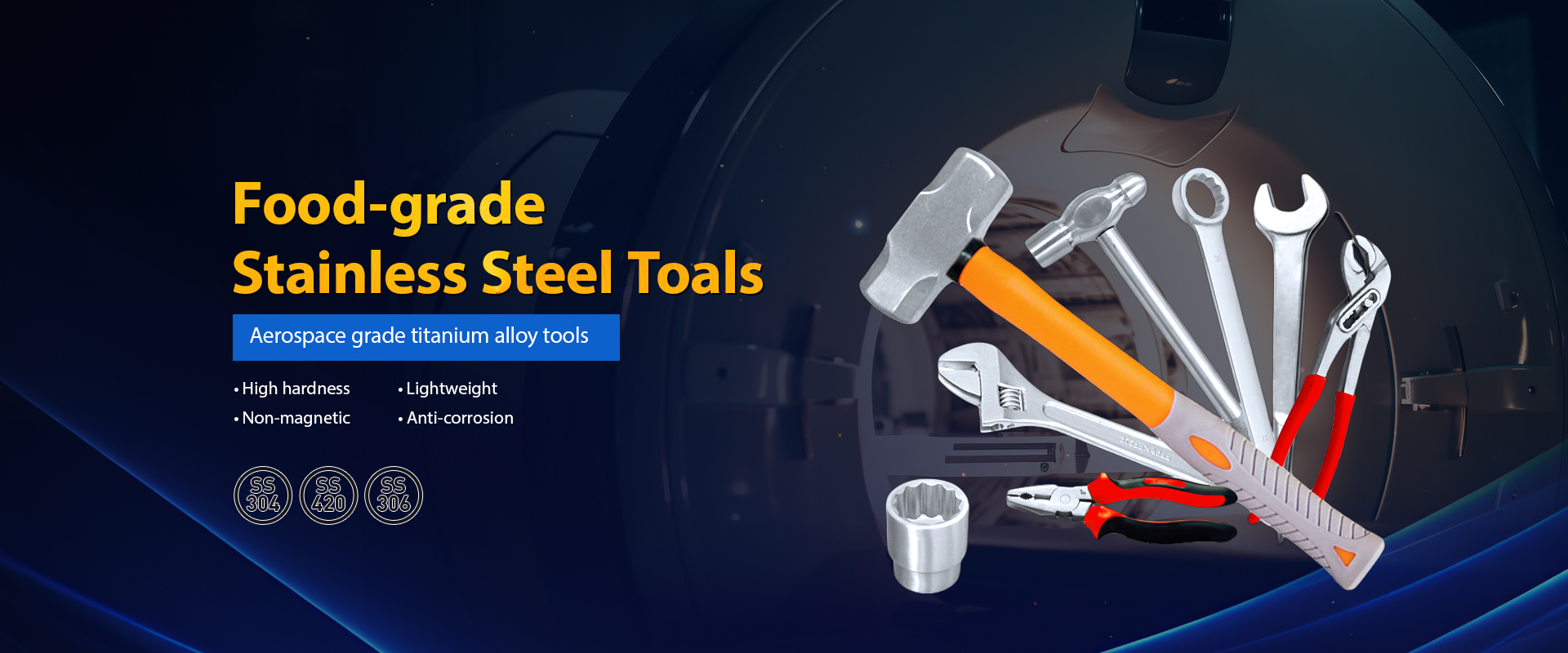
Real-world shifts — what to expect next
Practically, manufacturers and safety teams will need to embrace three changes: instrumented maintenance, clearer zone data, and supplier transparency. That means adding low-cost telemetry to tools, sharing lifecycle test results, and building tighter links between tool design and site controls. You’ll see fewer surprises when teams treat tools as data sources, not just hardware — and yes, that takes investment. I’ve seen pilots cut inspection time in half and catch faults before they cause incidents — measurable wins that speak louder than promises.
How to evaluate new solutions — three metrics I use
When I advise clients, I use three clear metrics to weigh options: 1) Measured failure mode reduction — does the solution cut real-world ignition events in trials? 2) Traceability and telemetry — can you see usage and condition (simple logs from edge computing nodes help a lot)? 3) Maintenance delta — does the product lower total inspection and repair hours over a year? Those are practical, not theoretical. Apply them and you’ll separate true improvement from marketing spin. Also, test for interoperability with existing power converters and grounding systems — small mismatches create big problems.
I’ve been in this field long enough to know one thing: rules and labels help, but curiosity and hard data save lives. I’ll keep digging into case studies and design fixes, and I hope you’ll test these ideas in your next procurement cycle. For trusted tools and more resources, check Doright.