
Introduction: A Small Change Over the Table, A Big Shift at Home
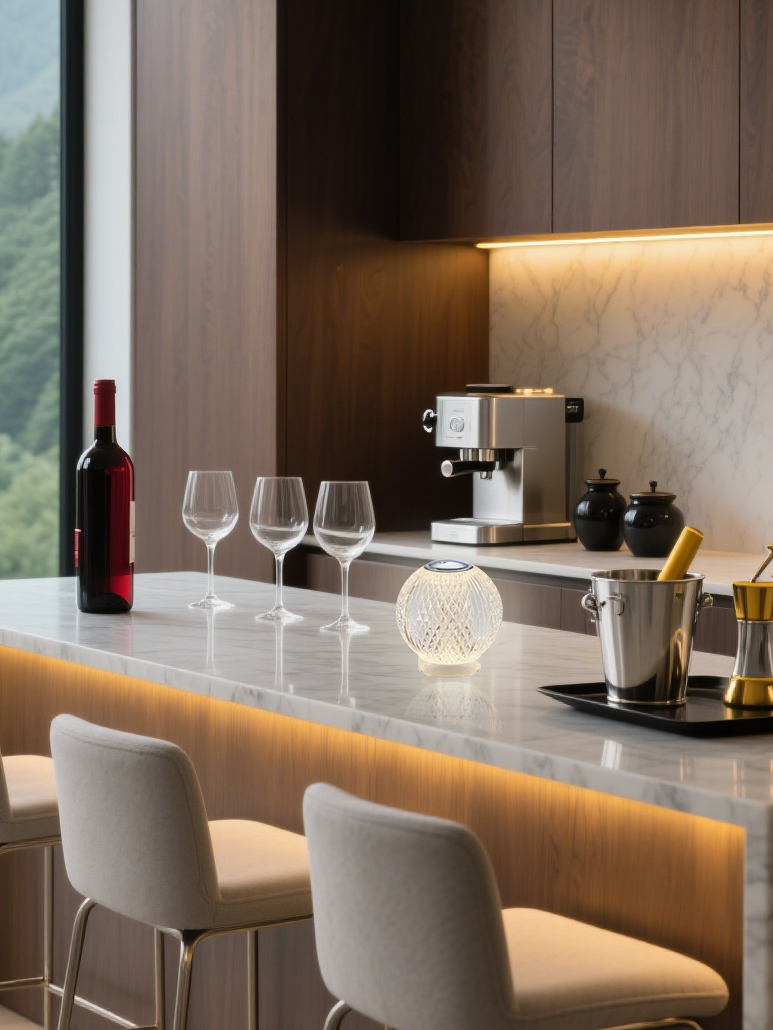
You’re chopping veggies at the island, and the light feels too bright in your eyes—raise it a bit and your hands fall into shadow. A height adjustable pendant light sounds like a tiny fix, but it can change the way you live with light. Across town, a pendant light company hears this story every week. Here’s the thing: Canadians spend most of their time indoors, and lighting sits near the top of renovation wish lists, with studies showing lighting upgrades can lift perceived comfort while trimming energy use. When lumen output, CRI, and dimming curve don’t match the room’s real use, glare and uneven brightness creep in (and that’s tiring at the end of a long day). So, if your kitchen doubles as office, café, and homework hub—funny how that works, right?—does a small height tweak really fix the daily strain? Or is it just another gadget for the ceiling? Let’s explore how adjustability tackles small but stubborn problems, and whether it actually earns its place over your table.
Hidden Pain Points Traditional Pendants Miss
Why does adjustability fix daily lighting friction?
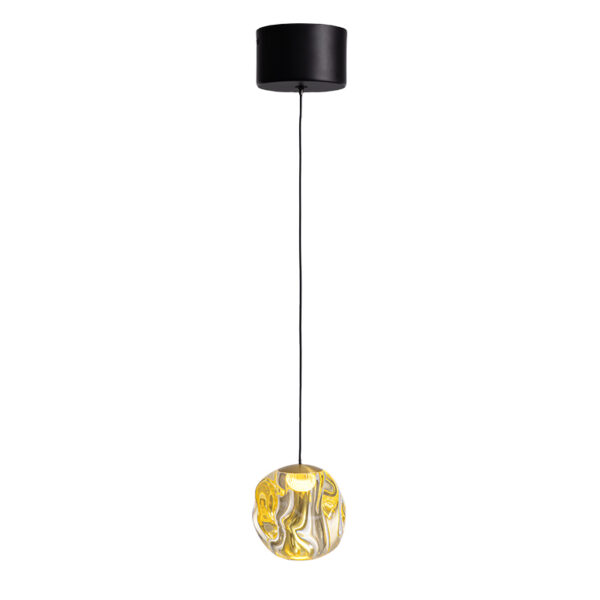
Technical truth first: a fixed pendant locks you into one beam spread, one glare angle, and one sightline. That’s fine for a single task, not a multi-use room. When a fixture sits too low, you get direct glare; too high, and the countertop becomes underlit. The result is hard shadows on cutting boards, reflections on glossy tops, and strained eyes during screens. Adjustable height lets you reposition the source so the optic sits below your eye line for dining, then higher for prep to widen the light cone. It also plays nicer with the LED driver’s dimming profile—0–10V or DALI—because brightness plus distance sets perceived lux on the surface. Look, it’s simpler than you think: you’re tuning geometry and power together.
There’s more. Traditional pendants ignore how people differ in height and posture. One install height can block a tall person’s view or wash a short person’s plate. With an adjustable lift, you change the incidence angle and reduce veiling reflections on screens, all without pushing the driver harder. Better thermal management on modern heads means stable colour and CRI at different dimming levels, while the mechanism’s torque rating keeps position steady over time—no drifting, no sag. In short, adjustability solves a quiet human problem: comfort varies by task, person, and moment.
Comparative Outlook: What Smart Adjustability Brings Next
What’s Next
Looking forward, the difference between a basic lift and a smart system is growing. New low-noise gear trains and balanced counterweights hold position with minimal wear, while sealed power converters in the canopy keep drivers cool and reliable. Some platforms pair presets with scene controls, so “Prep,” “Meal,” and “Late Night” recall height and brightness together—just a tap. Compared with fixed pendants, this produces more uniform task lighting at lower wattage, because you’re using distance and dimming in tandem rather than brute-force lumens. Partnering with a thoughtful led pendant light manufacturer also helps with details you can’t see at a glance: PWM frequency that avoids flicker on camera, smooth ramp rates, and cable routing that won’t twist the head—small parts, big effect.
Real-world results are steady: fewer shadows during prep, better ambience at meals, and less eye strain at screens. And it’s not only kitchens. Over desks, a higher mount cuts screen glare; over a café table, a lower drop warms the scene at a lower dim level—funny how that works, right? If you’re weighing options, compare more than looks. Three practical metrics make the choice clearer. First, mechanism endurance: check cycle life, torque rating, and noise (in dBA) under load. Second, control compatibility: confirm the LED driver supports 0–10V, TRIAC, DALI, or PWM and matches your dimmer. Third, optical quality: aim for 90+ CRI, appropriate lumen output, and a beam that fits your surface width. Measure, don’t guess. With those boxes ticked, an adjustable pendant isn’t a gimmick; it’s a reliable tool for better living—today and as your space evolves. Learn more at kinglong.