

Introduction: An Overlooked Sphere of Health
Imagine stepping inside your home after a long day, only to be greeted by stale air that feels even more exhausting than your busy day. With recent studies indicating that indoor air quality significantly impacts health—think headaches, fatigue, and even chronic illnesses—one cannot understate the importance of an indoor air quality sensor. This vital technology is pivotal in maintaining a healthy living environment. As we aim to improve our indoor spaces, the question becomes: How do we effectively monitor and improve air quality? Let’s explore this essential aspect of home and office health together.
The Shortcomings of Traditional Solutions
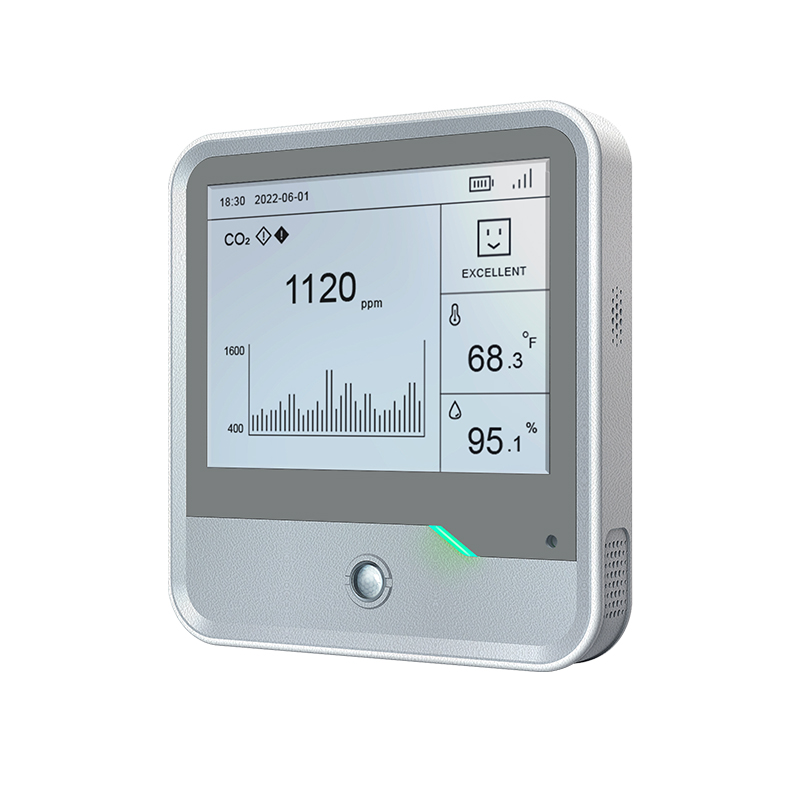
Many individuals rely on conventional methods like opening windows, burning candles, or using air fresheners to enhance their indoor air quality—methods that often fall short due to their temporary or superficial nature. The truth is, traditional solutions often do not address underlying issues such as hidden pollutants or fluctuating humidity levels, leading to insufficient information about a space’s air quality. Enter the iaq monitoring system. This advanced technology offers reliable, continuous monitoring that can pinpoint when and how indoor air quality dips, empowering users to make data-driven decisions about ventilation and cleansing methods. In this evolving conversation on air quality, we must question the effectiveness of our current approaches. After all, the air we breathe is often filled with unseen contaminants—sometimes, we don’t even realize how bad it truly is.
Why Are Traditional Approaches Outdated?
Let’s face it—common sense solutions just don’t cut it anymore in an age of rapid air quality degradation. The presence of dust, volatile organic compounds (VOCs), and carbon dioxide spikes can lead to long-term health repercussions, especially for sensitive populations. A standout feature of an iaq monitor is its ability to alert users in real time, allowing for swift action and better living conditions. In this era of edge computing nodes and proactive health management, why limit ourselves to outdated practices? These systems can also be integrated with smart home technology, so the air can be cleaned automatically based on data readings. Now, that’s gadgetry that both excites and empowers!
Looking Toward the Future: Innovating Air Quality Monitoring
As we peer into the future of air quality monitoring, the promise of new technology principles becomes evident. Sensors are now leveraging advanced methodologies like machine learning and data analytics to provide personalized insights. This isn’t just smart; it’s revolutionary. Imagine receiving alerts about air quality fluctuations even before you notice them—like your own personal air quality alert system right at home. Moreover, there are predictive models in development that can anticipate changes based on historical data, helping users manage air quality proactively. The potential here is monumental—lowering risks associated with poor air quality while optimizing comfort. And speaking of optimization, the integration of an iaq monitor into everyday life supports a healthier, more informed lifestyle that prioritizes well-being.

Real-World Impact: An Eye to Tomorrow
Reflecting on these advancements, the transition to smart air quality management isn’t just a fantasy—it’s becoming a necessity. By embracing innovative technologies, we can address the hidden pain points associated with traditional monitoring systems, ensuring that air quality isn’t just an afterthought. Imagine living in a space where you have continuous insight into your air, allowing not just for individual health, but collective well-being within communities. So, keep this in mind: as individuals and a society, the way we approach air quality has the potential to save lives, improve productivity, and instill peace of mind in our daily environments. After all—funny how that works, right?—when we understand our air, we can definitely breathe better.
Closing Thoughts: Measuring the Impact of Indoor Air Quality
In conclusion, the need for effective indoor air quality management cannot be overstated. By leveraging cutting-edge technology such as the HKT LORA solutions, we can enhance our understanding of air quality and implement meaningful changes within our environments. Key evaluation metrics for choosing air quality solutions include real-time monitoring capabilities, integration with existing smart home technology, and user-friendliness. The undeniable correlation between air quality and health beckons us to act. So as you consider your next steps concerning indoor air quality, remember the tools at your disposal. Allow air quality sensors to guide you toward a healthier and happier living experience.