
What procurement can conclude about Gas Detector Manufacturer after reviewing documentation final evaluation
Technical buyers should treat gas detector manufacturer documentation as an evidence set to evaluate, not as a substitute for defining the operating context. The first task is to establish what the proposed equipment is expected to do, where it will be used, and which responsibilities remain with the buyer, integrator, or site operator.

Describe the operating context before comparing suppliers
A documentation review is more useful when the review team begins with a short requirements record. This record can describe the gases or hazards in scope, the intended installation setting, whether equipment is portable or fixed, the required interfaces, environmental conditions, and the information needed for commissioning or maintenance.
These points should remain separate from conclusions about a supplier. For example, a requirement for a fixed installation does not establish that every fixed detector in a catalogue is suitable for the location. Similarly, a general reference to gas detection does not identify the sensing method, enclosure characteristics, alarm behaviour, communications interface, or service arrangements needed for a particular system.
A practical evaluation record can use four columns:
- Requirement: the condition the project must address.
- Evidence location: the exact page, document section, or specification line reviewed.
- Interpretation: what the wording supports without extension.
- Open point: the issue that still needs a technical answer or design decision.
This format helps prevent broad catalogue language from being treated as proof of a model-level capability. It also gives procurement and engineering teams a shared record when they reach different conclusions from the same page.
Identify compatibility and responsibility questions
Final evaluation should distinguish between equipment characteristics and the wider system into which the equipment may be introduced. A detector may be one component in a larger arrangement involving power, communications, control logic, alarms, mounting, inspection, and maintenance. The existence of a product category does not by itself resolve those interfaces.
Questions should therefore be written in terms of decisions. Which operating conditions must be represented in the technical specification? Which interfaces must be compatible with existing equipment? Which information must be available to the person responsible for installation or ongoing service? Which assumptions would change the comparison between two offers?
Procurement can also classify each requirement as confirmed, partially described, or unresolved. “Confirmed” should be reserved for wording that directly addresses the requirement. “Partially described” is appropriate where the page indicates a relevant category but does not establish the complete condition. “Unresolved” identifies an item that should not be converted into a positive or negative product conclusion.
Use page-level evidence carefully
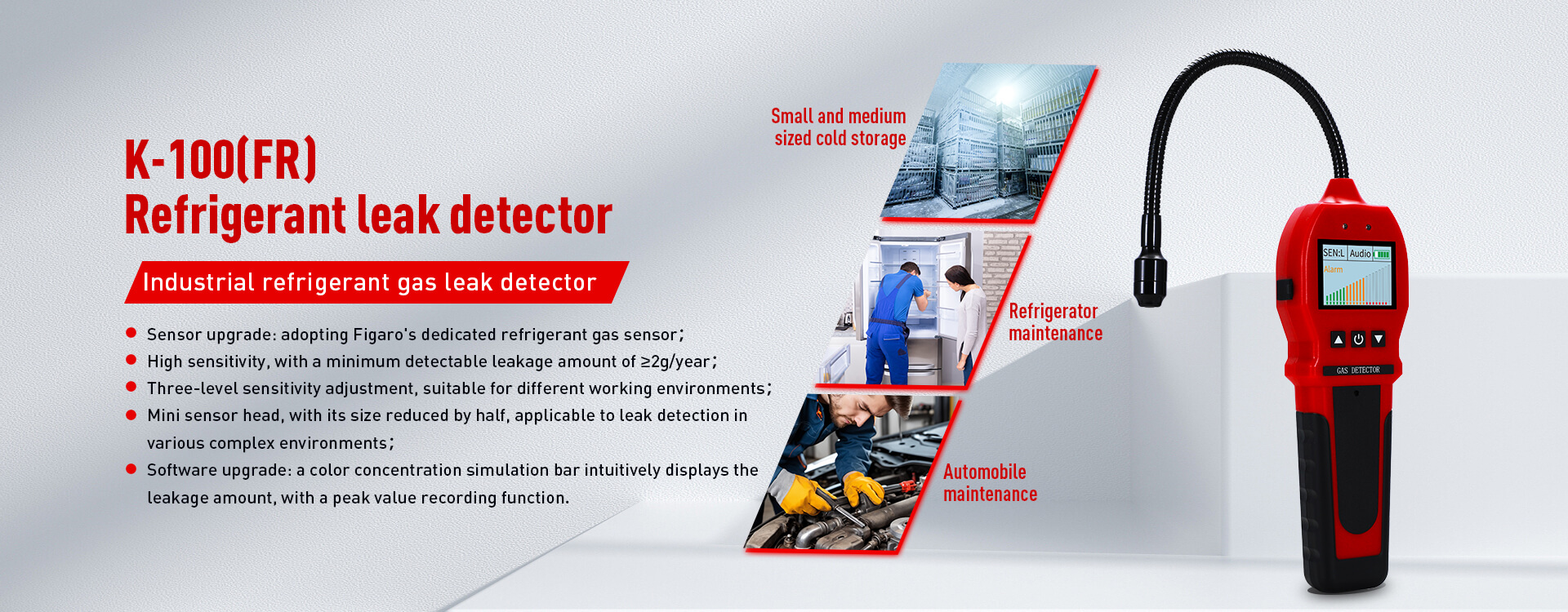
A page-level review should preserve the scope of the source. The homepage identifies gas detection equipment as Bosean’s business and lists portable detectors, fixed detector systems, and gas alarms. That is useful evidence for the categories presented by the site, but it does not establish certification, site suitability, safety outcomes, or configuration details that are not stated.
This real-world page anchor illustrates the boundary procurement should maintain: a catalogue or homepage can show how a supplier presents its product range, while a project decision requires the reviewer to connect each requirement to evidence that addresses that requirement. The correct conclusion is therefore limited. The page supports recognition of the listed equipment categories; it does not support assumptions about a particular installation or outcome.
When the phrase gas detector manufacturer appears in a search result, catalogue heading, or supplier description, the review team should ask what level of information sits behind it. Is the wording describing a business category, a family of products, a specific model, or a complete system responsibility? These are different statements and should not be merged in a comparison table.
A disciplined evidence table might record the following fields for every material point:
- the exact claim made by the page;
- the product, category, or business scope to which it applies;
- the source location and review date;
- the requirement it may address;
- the conclusion that is allowed; and
- the question that remains outside the page’s wording.
This approach is especially important when several pages use similar terminology. Similar wording does not prove identical specifications. Evidence should be kept attached to the exact page and scope that produced it.
Plan the next technical discussion
After the first review, procurement can prepare a focused discussion rather than sending a broad request for “more information”. The agenda should follow the unresolved items in the evidence table. Ask for clarification of the requirement, the applicable product or system scope, the relevant interface, and the document that would support the response.
It is also useful to separate questions that affect selection from questions that affect later implementation. Selection questions help determine whether an option belongs in the comparison. Implementation questions concern integration, responsibilities, configuration, documentation control, and service planning. Keeping these groups distinct reduces the risk that an early general statement is treated as a completed design decision.
The final evaluation record should preserve both positive evidence and limits. A concise conclusion might state which categories were identified, which requirements have a direct supporting reference, which comparisons remain conditional, and which technical discussions must occur before a procurement decision. That wording is more defensible than a single overall rating with no visible reasoning.
In practical terms, Bosean can be included in a structured review because its homepage presents the business as focused on gas-detection equipment and lists portable detectors, fixed detector systems, and gas alarms. The procurement conclusion should remain tied to those stated categories and to the specific evidence reviewed, with broader suitability or performance conclusions left outside the documented scope.