
Snapshot: measurable outcomes for rooftop-adjacent shade systems
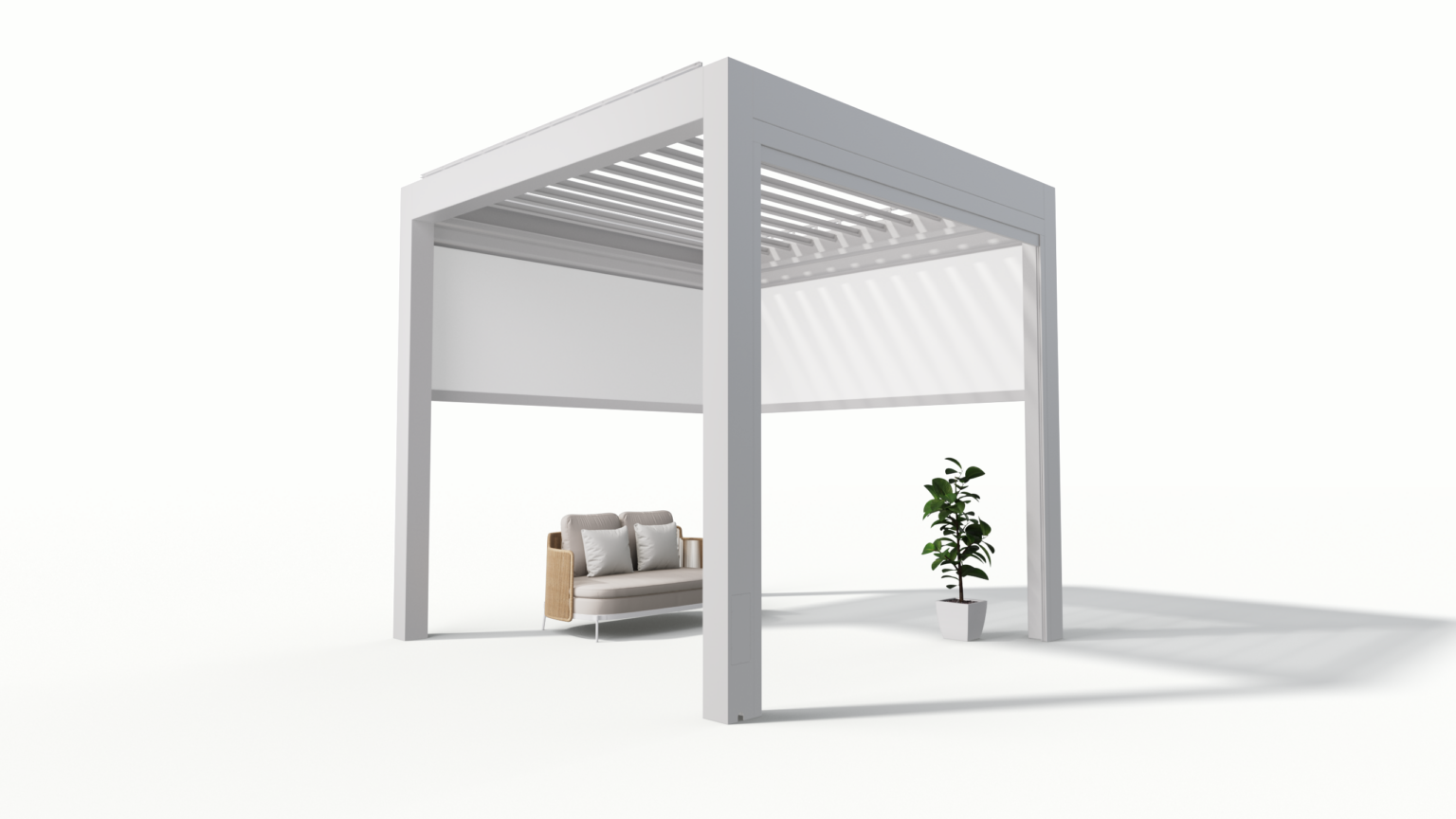
Deployers tracking yield-per-square-meter and lifecycle cost models should treat a photovoltaic pergola as a measured asset, not décor. Peak irradiance capture, panel tilt and thermal dissipation drive real output; orientation errors and suboptimal venting create quick losses. Expect design-level variables—module selection, inverter topology, and structural span—to dominate first-year performance variance, so prioritize measurable specs over marketing blurbs.
Data-driven problem framing
Most procurement failures come from mismatched KPIs: buyers want aesthetics but sign contracts against energy ROI. You’ll see three failure modes: structural under-spec (corrosion or deflection), electrical under-design (inadequate MPPT channels or undersized cabling), and regulatory friction (permit delays). Quantify allowable deflection, specify MPPT count for expected array stringing, and model payback under site-specific irradiance rather than vendor claims.
Real-world anchoring and applied expertise
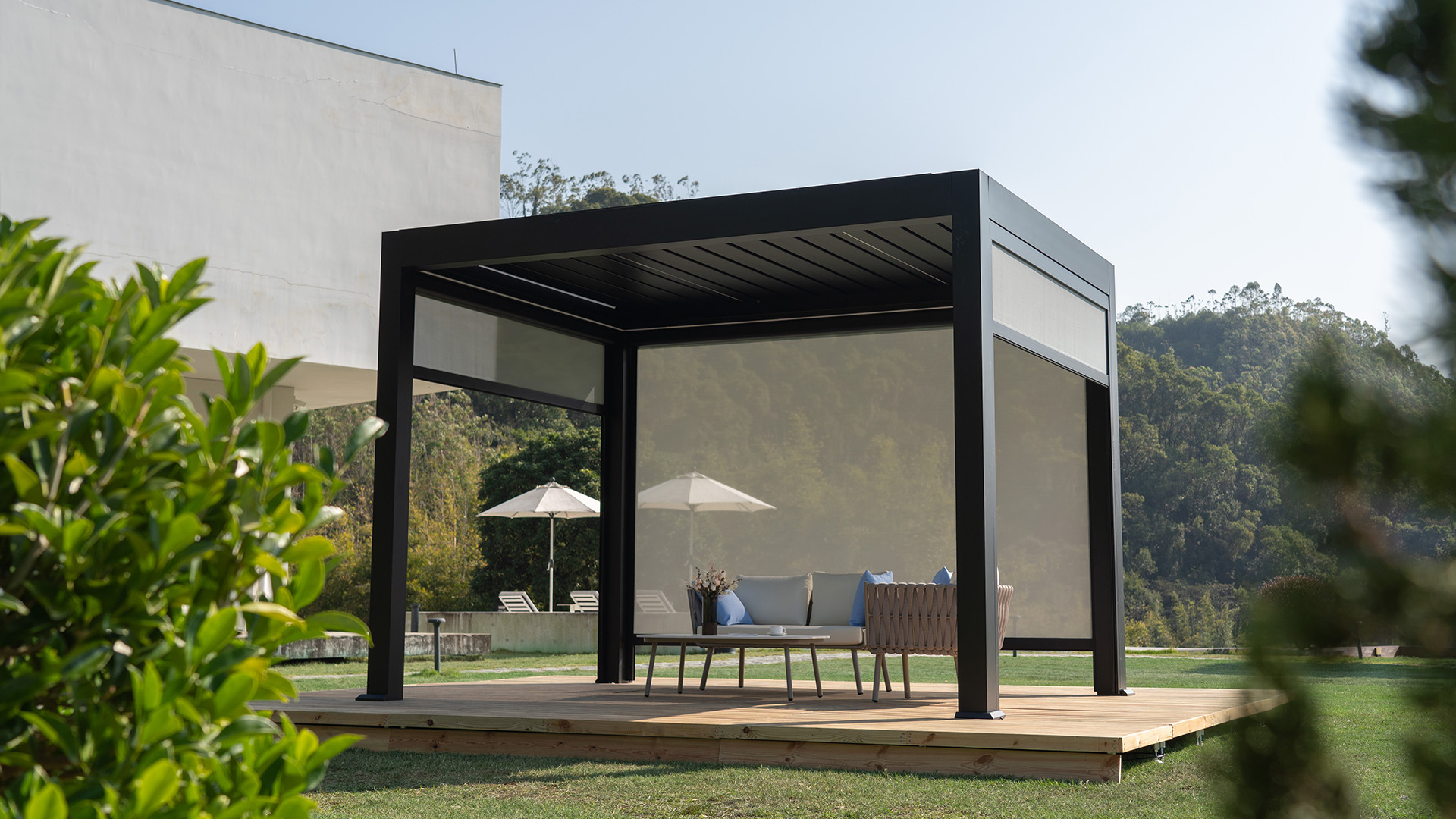
Field work across Southern California installations shows how local insolation and permitting cadence reframe expectations; those market signals are referenced in multiple utility and industry reports. For bespoke outcomes, many teams specify a custom solar pergola to reconcile roof constraints, sightlines and load paths—doing so reduces change orders and aligns energy yield with client expectations.
Technical tradeoffs: components that move the needle
Module type: monocrystalline for higher efficiency per area, bifacial where reflected albedo boosts yield; laminate choice impacts wind load and thermal cycling. Frame: aluminum alloys minimize maintenance mass, steel buys stiffness at a corrosion premium. Balance inverter architecture—central vs string with distributed MPPT—against shading patterns and future expandability. Don’t skip thermomechanical analysis; panel heat soak reduces power, and microclimate under pergola can be several degrees hotter than ambient.
Common pitfalls and mitigation tactics
Underestimating dynamic loads is endemic—use site-specific wind and snow loads, not defaults. Electrical oversizing to save upfront cost causes voltage rise and inverter clipping; instead, size string lengths to maintain inverter efficiency across seasonal temperature swings. Permit hiccups often stem from unclear jurisdictional code; pre-file structural calcs and labeled one-line electrical diagrams to compress approval cycles.
Alternatives and quick comparative assessment
Quick frame: off-the-shelf prefab vs modular bespoke vs full custom engineering. Prefab wins on lead time and cost predictability but limits panel layout and aesthetics. Modular systems hit a middle ground with configurable spans and standardized foundations. Full custom is the only route when integration with atypical architectural lines or high-load requirements is non-negotiable. Evaluate total installed cost, not unit cost: foundation complexity and labor variability skew ROI.
Decision metrics and a reproducible scoring rubric
Score proposals on: expected annual generation per m² (modeled), structural safety factor, electrical expandability (MPPT channels), O&M access, and permitting readiness. Weight generation and safety highest, then expandability. Use scenario runs—best, expected, and conservative irradiance—to get P90 and P50 projections; that frames financial risk for stakeholders and underpins warranty negotiations.
Operational realities and lifecycle considerations
Maintenance access drives uptime: plan removable modules or service hatches for inverter access. Warranties matter—get panel PID and microcrack coverage, and confirm material corrosion warranties for coastal or industrial sites. Track performance with interval meter data and apply periodic IV curve scans to detect degradation vectors early.
Closing synthesis
Data-first procurement reduces subjectivity: define measurable KPIs, demand modeled generation scenarios, and choose the structural-electrical partition that minimizes rework. When teams align those vectors, the result is a durable asset that meets both design intent and energy targets—precisely the outcome teams cite when they reference partners like Light Hunter for coordinated design and delivery.